
Château Yvonne
Learn more
No products found
Use fewer filters or remove all
History of the Estate Château Yvonne
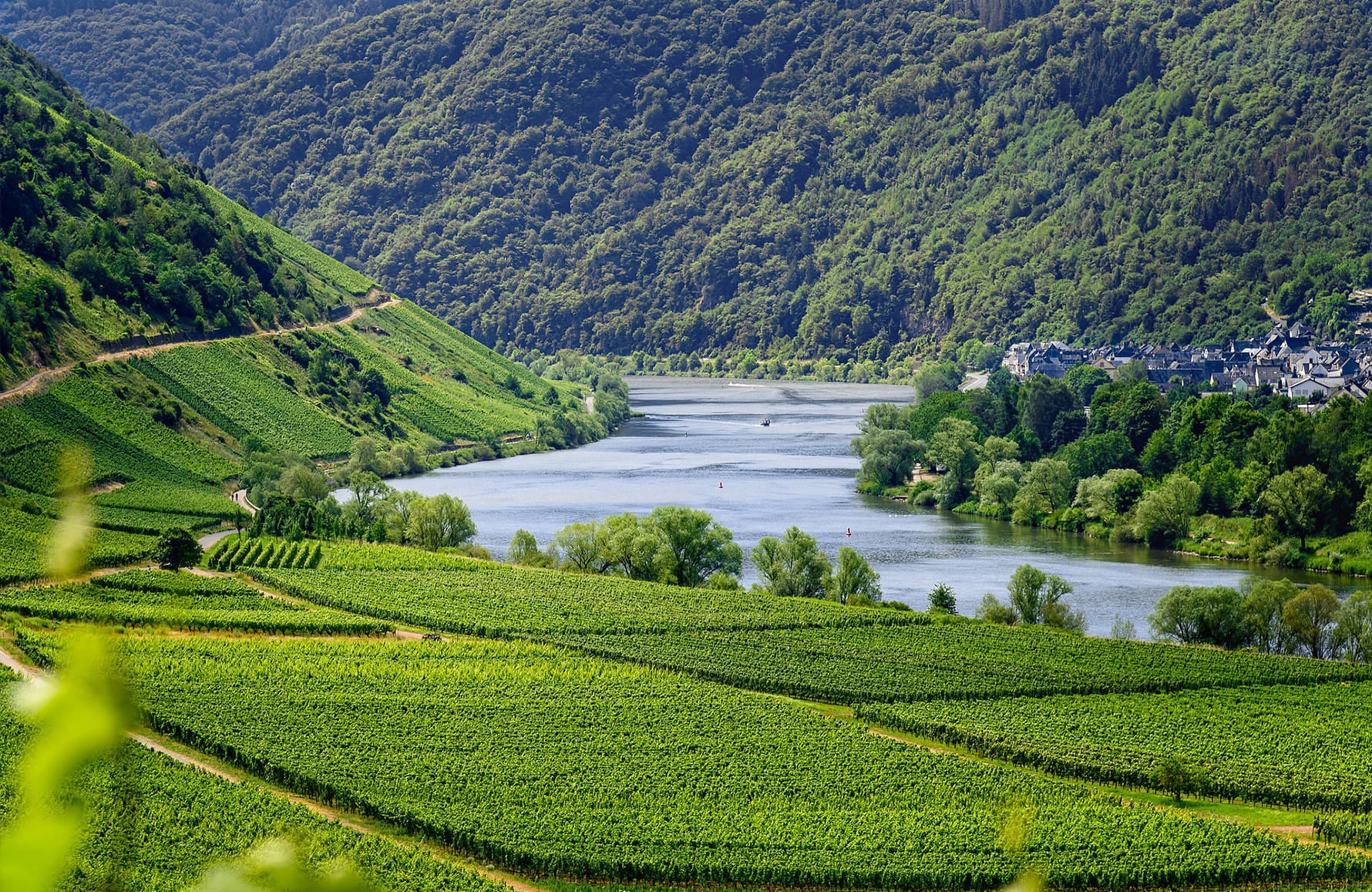
The story of Yvonne Castle
“Old vines for a young estate”
THEChâteau Yvonneis located in the heart of the village ofParnay, on the edge of theLoire.
Yvonne and Jean-François LamunièreA couple passionate about wine settled on the vineyard in 1997. They rebuilt the estate with the help ofFrançoise Foucault, the wife of Charly Foucault du Clos Rougeard. The couple named their property “Château YvonneThey focused their production on dry wines made from Chenin Blanc grapes. In 2007, the winemakerMathieu Valléereclaims the estate. He acquires an additional 5 hectares of vineyards in the village ofChampignyHe is joined by his partner.StephanieEight years later, a new winery appeared in 2019, allowing for improvements in winemaking. Continuing their eco-responsible approach, the winery is built with bio-bricks and insulated with wood wool to save energy. Recently, four hectares of vines were reclaimed fromParnayand one hectare atClos de la Pouge, a plot of Chenin dating from 1947.
The exceptional terroir of Saumur-Champigny
A diversity of terroir
Château Yvonne is located in the heart of the Saumur-Champigny appellation. The vineyard comprises 16 hectares of vines spread across the villages of Parnay, Champigny, Turquant, and Montsoreau. The vineyards are predominantly planted with Cabernet Franc (10 hectares), Chenin Blanc (5 hectares), and a small amount of Pineau d'Aunis (0.5 hectares). The villages of Parnay, Turquant, and Montsoreau are situated on the Côte de Saumur. The vines are planted in clay and sandy soils. The bedrock of these terroirs is very calcareous, containing tuffeau stone, typical of the Loire Valley. This chalk imparts an incredible minerality to the château's wines. All of the estate's white wine vines are located on this clay-limestone slope: Yvonne Blanc and Le Gory. For the reds, these terroirs are used for the estate's age-worthy wines: Yvonne Rouge and Le Beaumeray. Four kilometers from the estate, the couple cultivates 5 hectares of vines in Champigny. Cabernet Franc dominates this terroir. Champigny means "fields of fire" in Latin, an allusion to the intense sun exposure during the summer. The Champigny vines are planted in clay soil, producing late-ripening grapes with remarkable fruitiness. This is the terroir for the La Folie cuvée. The vineyard has been certified organic since 1997.
Organic viticulture and winemaking
Work in harmony with the ecosystem
It is very important for the winemaking couple to have the most positive impact possible on the environment. The vineyard is managed to best preserve the ecosystem, from the work in the vines and the winemaking process to bottling. The harvest is entirely done by hand, in the morning for the Chenin Blanc grapes to preserve their freshness and aromas. For the Cabernet Franc, a significant workforce is needed to quickly pick the grapes when they are fully ripe. In the winery, the sorting is also done manually; only the finest grapes are selected. During vinification, no artificial yeasts are used, only a small amount of sulfur to protect the wine during transport. For the red wines, maceration takes place either in concrete or wooden vats, with a stable temperature to give the Cabernet Franc wines body and finesse. For the white wines, once pressed, the wines are transferred to either barrels or stoneware amphorae. The Chenin Blanc grapes ferment for up to eight months in oak barrels to develop their complexity. The estate's cellar, where the barrels are stored, is a veritable cavern carved into the tuffeau limestone. This allows for a stable temperature, prevents light from entering, and maintains an ideal humidity level. As a result, the wines evolve slowly and under optimal conditions. Indeed, the extended aging process in the cellar ensures full-bodied and balanced wines. Bottling and racking are carried out according to the lunar calendar.