The origins of Durfort-Vivens
A second-growth classified
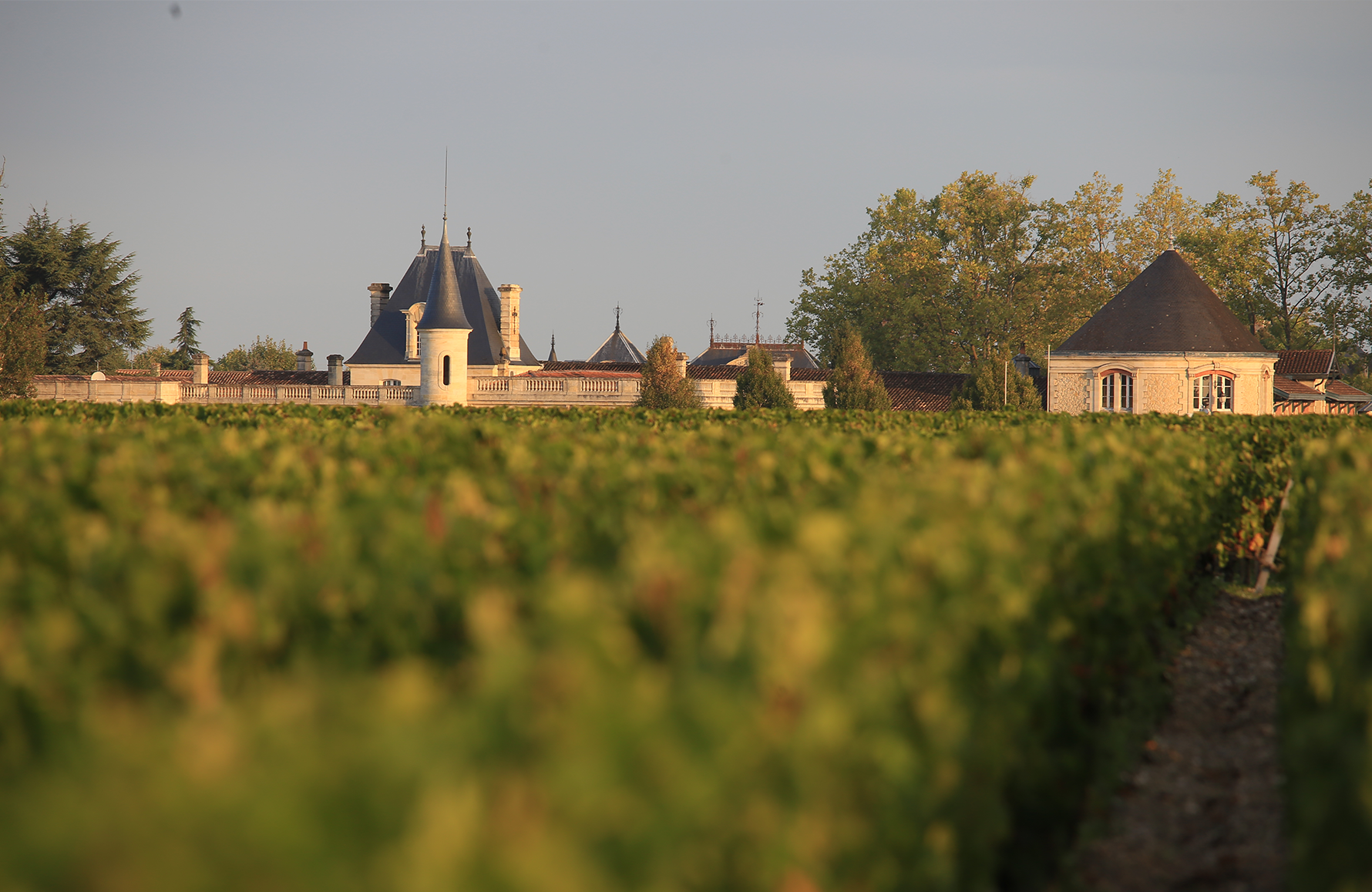
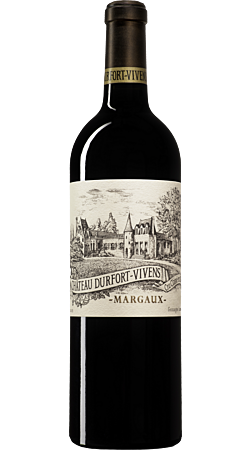
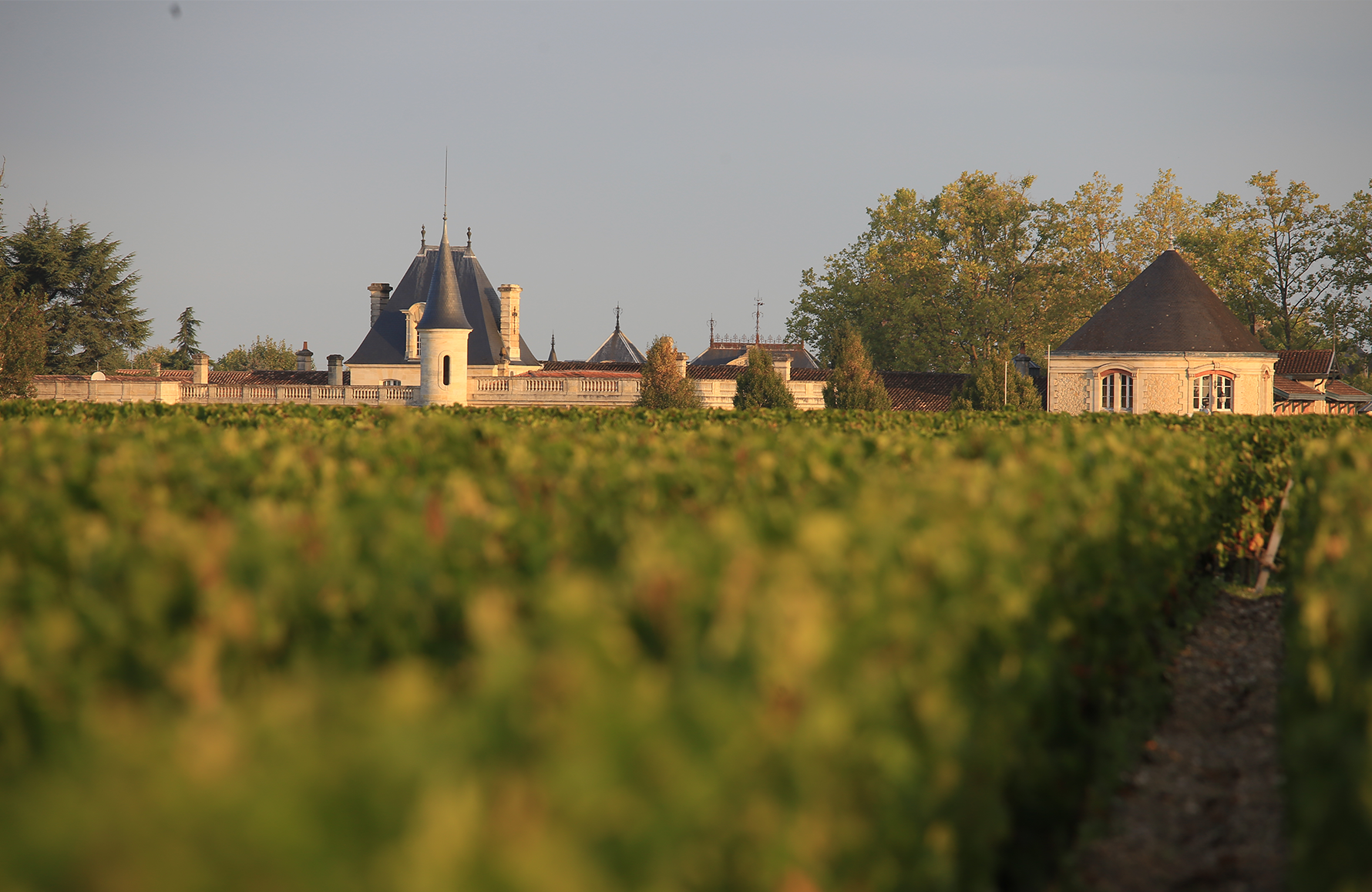
Château Durfort-Vivens traces its roots to the union of two great families. In the 14th century, the Durfort knights established their stronghold in Margaux. Four centuries later, Viscount Robert Labat de Vivens, the new owner, decided to associate his family name with that of the estate, which officially became Château Durfort-Vivens in 1824. From then on, its reputation steadily grew. At the 1855 Bordeaux Universal Exhibition, organized to promote the region's wines, the estate was awarded the prestigious rank of Second Growth. In 1937, the Lurton family, then the majority shareholder of Château Margaux, acquired the vineyard. In 1961, Lucien Lurton became its sole owner, before passing it on in 1992 to his son Gonzague, thus perpetuating a family tradition rooted in excellence.
Revival of a traditional estate
A reputation that lives up to its potential
After studying business, Gonzague Lurton took the helm at Château Durfort-Vivens. Building on a prestigious heritage, he is committed to elevating this estate to the status of one of the most distinguished classified growths of Margaux. Recognizing the unique potential of his terroir, he has chosen an approach that respects both nature and people, revealing its full singularity. His deep commitment to responsible viticulture guides all his decisions. This philosophy also led him to co-found, with his wife, Château Acaïbo in Sonoma, California. At Durfort-Vivens, this quest for authenticity and purity is reflected both in the vineyard and in the cellar, where innovation serves a living tradition.
Castle protecting the vineyard
Conversion to biodynamics
Château Durfort-Vivens has established itself as a pioneer in biodynamic viticulture. As early as 2009, the estate began its transition to practices that respect the ecosystem. This approach, perfectly aligned with Gonzague Lurton's convictions, aims to sustainably protect the vines and preserve the soil. In 2016, the estate obtained dual certification: organic farming and the Demeter label for biodynamic practices. This commitment to excellence continues in the cellars, renovated in 2012, where oenological precision complements the expression of the terroir. In 2017, a new milestone was reached with the introduction of terracotta amphorae in the aging process. This bold choice imparts remarkable aromatic purity to the wines. Today, Château Durfort-Vivens boasts the world's largest amphora cellar by volume, with over 160 units, a symbol of its commitment to combining innovation, terroir, and respect for life.