
-
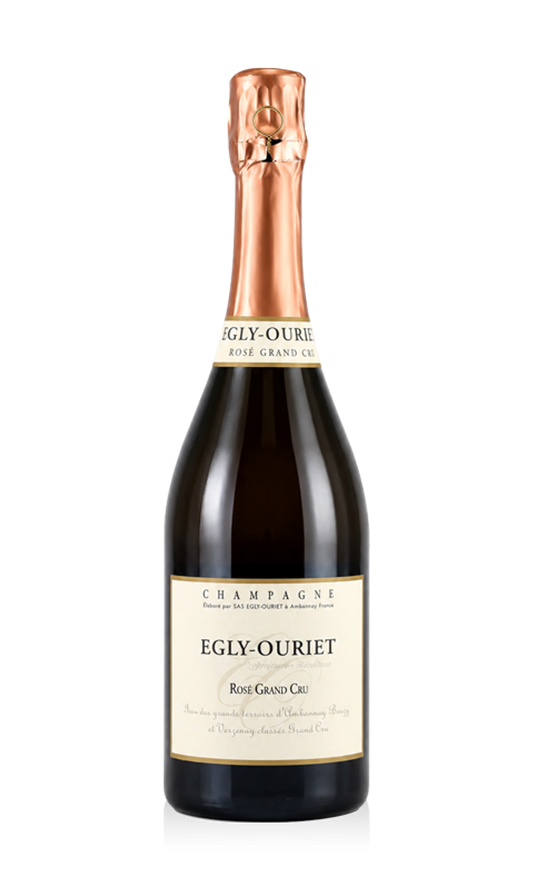
93 WA - Exclusivité Collection
Champagne Egly-Ouriet - Grand Cru Rosé Extra Brut - Champagne Grand Cru
Champagne • Champagne Grand Cru • Pink
定價 $1,157.00售價 $1,157.00 定價單價 $1,157.00 / unit -
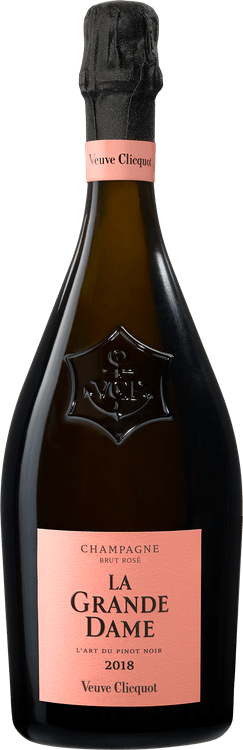
95 V Champagne Veuve Clicquot - La Grande Dame Rosé 2018
Champagne • Champagne Rosé • Rosé
定價 $1,999.00售價 $1,999.00 定價單價 $1,999.00 / unit -
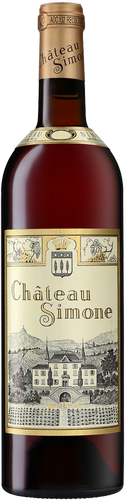
96+ WA Château Simone - Rosé 2025 - Palette
Provence-Alpes-Côte d’Azur • Palette • Pink
定價 $417.00售價 $417.00 定價單價 $417.00 / unit -
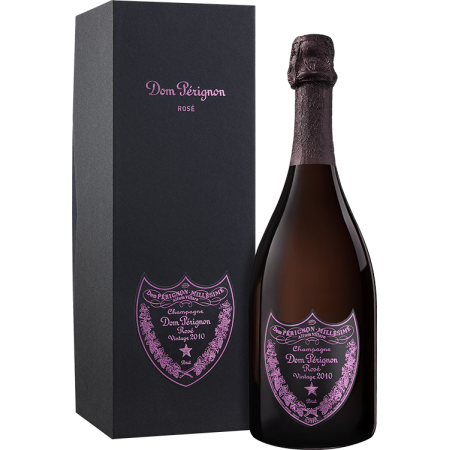
96 V Dom Pérignon 2010 Rosé Vintage - Coffret
Champagne • Champagne Rosé • Pink
定價 $4,534.00售價 $4,534.00 定價單價 $4,534.00 / unit -
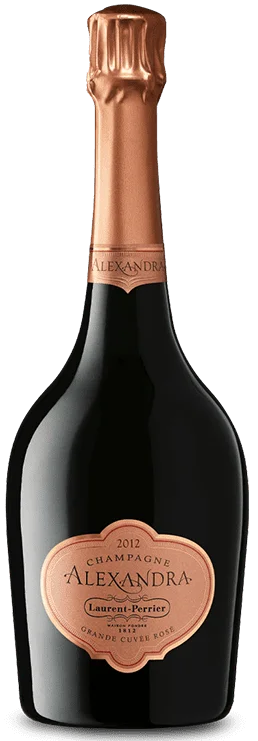
96 WS Champagne Laurent Perrier - Cuvée Alexandra Rosé 2012
Champagne • Champagne • Rosé
定價 $3,517.00售價 $3,517.00 定價單價 $3,517.00 / unit -
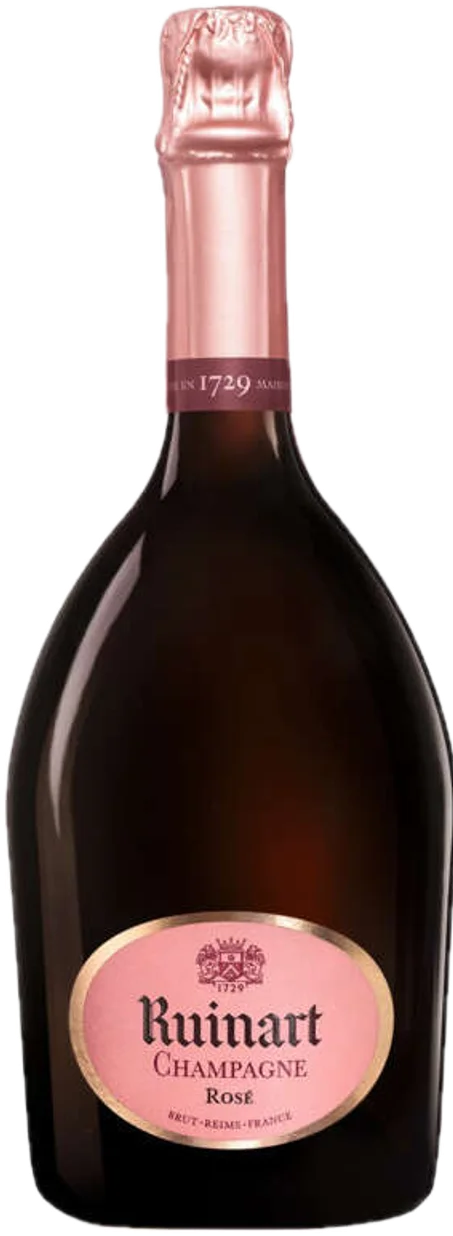
Ruinart - NM - Champagne Rosé
Champagne • Champagne Rosé • Rosé
定價 $805.00售價 $805.00 定價單價 $805.00 / unit -
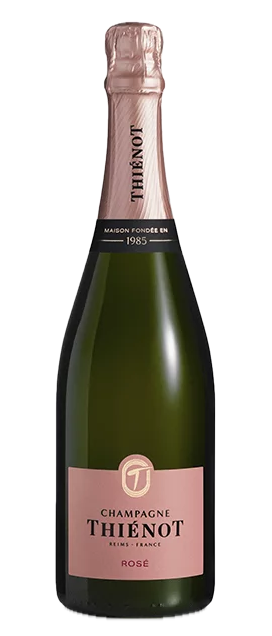
Champagne Thiénot - Brut Rosé
Champagne • Champagne Brut Rosé • Rosé
定價 $500.00售價 $500.00 定價單價 $500.00 / unit -
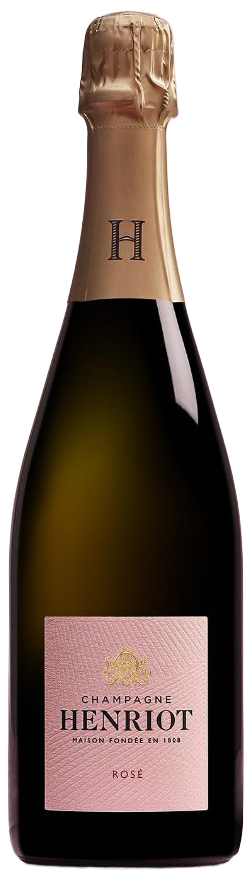
Champagne Henriot - Brut Rosé - Champagne
Champagne • Champagne Brut Rosé • Rosé
定價 $2,388.00售價 $2,388.00 定價單價 $398.00 / unit -
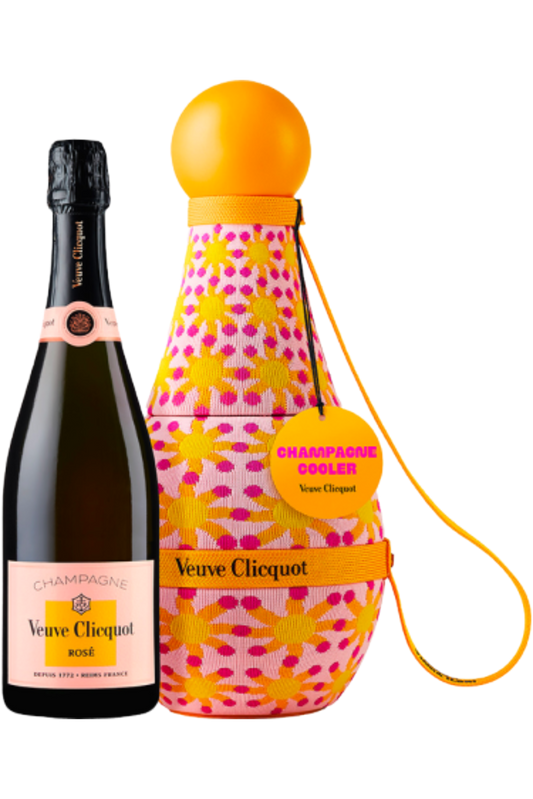
Sun Totem rosé - Edition Limitée Yinka Ilory Veuve Clicquot Rosé Carte Jaune
Champagne • Champagne • Pink
定價 $731.00售價 $731.00 定價單價 $731.00 / unit -
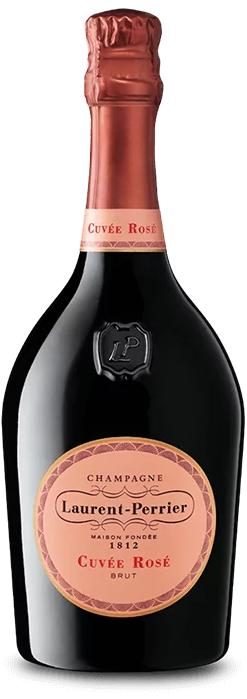
91 WA Champagne Laurent-Perrier - La Cuvée Brut Rosé
Champagne • Champagne Rosé • Rosé
定價 $648.00售價 $648.00 定價單價 $648.00 / unit -
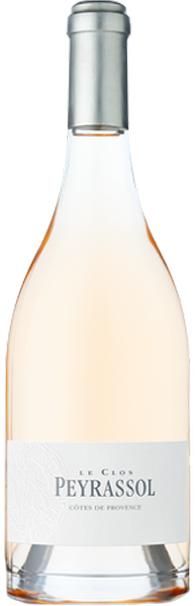
Clos Peyrassol - Rosé 2024 - Côtes-de-Provence
Provence-Alpes-Côte d'Azur • Côtes-de-Provence • Pink
定價 $324.00售價 $324.00 定價單價 $324.00 / unit -
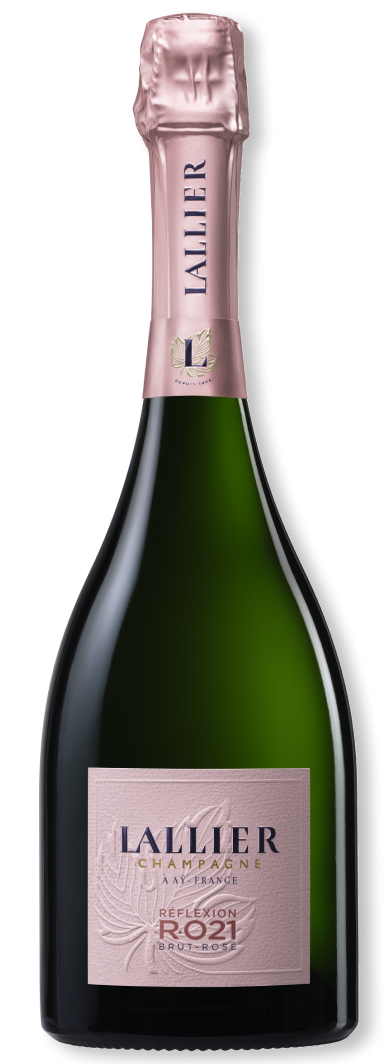
Champagne Lallier - Réflexion rosé R.021 Brut
Champagne • Champagne Brut Rosé • Rosé
定價 $445.00售價 $445.00 定價單價 $445.00 / unit -
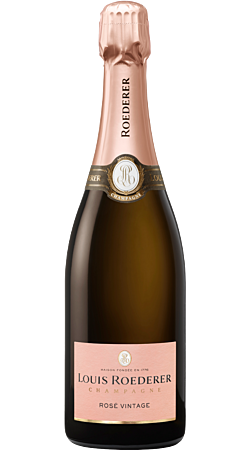
88 V Champagne Louis Roederer - Vintage Rosé 2016 - Champagne Rosé
Champagne • Rosé Champagne • Pink
定價 $741.00售價 $741.00 定價單價 $741.00 / unit$0.00 -
- Nouveauté
- The unbeatable 💪
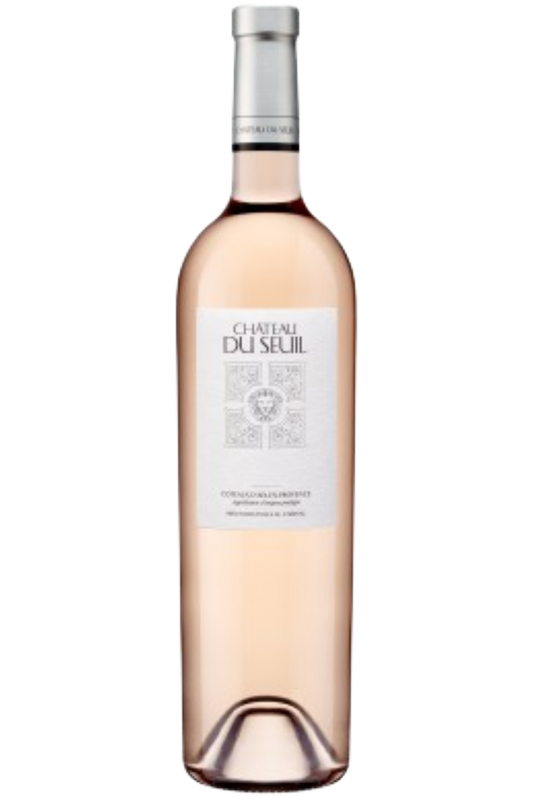
Château du Seuil - Coteaux d'Aix-en-Provence Rosé 2025
Provence-Alpes-Côte d’Azur • Coteaux d'Aix-en-Provence • Rosé
定價 $667.00售價 $667.00 定價單價 $111.16 / unit$833.00 -
- The unbeatable 💪
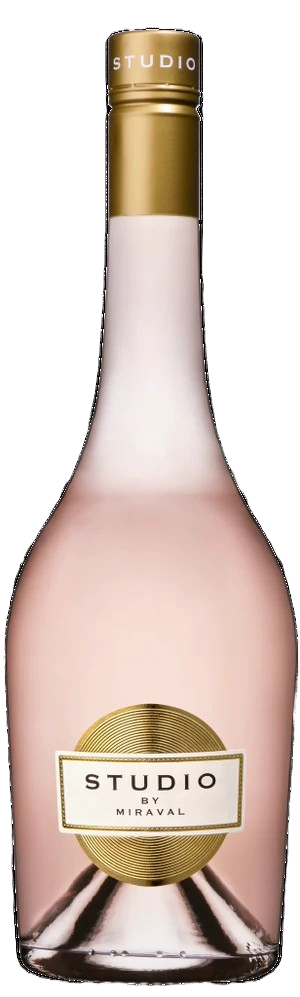
Studio by Miraval - 2024
Provence-Alpes-Côte d'Azur • IGP Méditerranée • Pink
定價 $694.00售價 $694.00 定價單價 $115.66 / unit$0.00 -
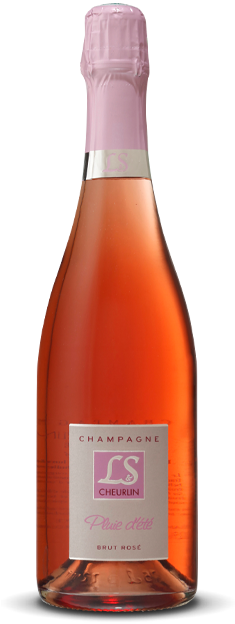
Champagne L&S Cheurlin - Rosé Pluie d'été Brut
Champagne • Rosé Champagne • Pink
定價 $315.00售價 $315.00 定價單價 $315.00 / unit$1,851.00 -
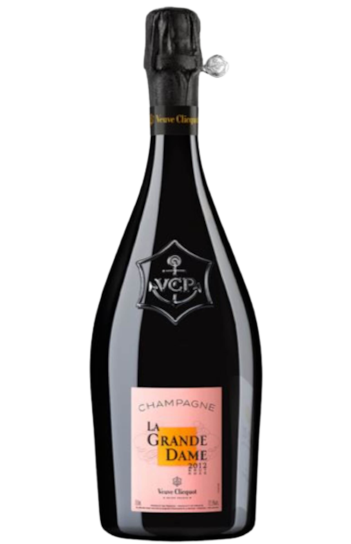
Champagne Veuve Clicquot - La Grande Dame Rosé 2012 - Champagne
Champagne • Rosé Champagne • Pink
定價 $2,452.00售價 $2,452.00 定價單價 $2,452.00 / unit$0.00 -
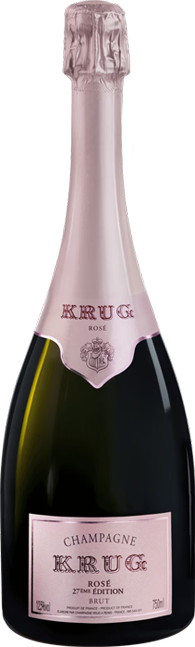
27eme Edition Brut Rosé
Champagne • Rosé Champagne • Pink
定價 $3,331.00售價 $3,331.00 定價單價 $3,331.00 / unit$0.00 -
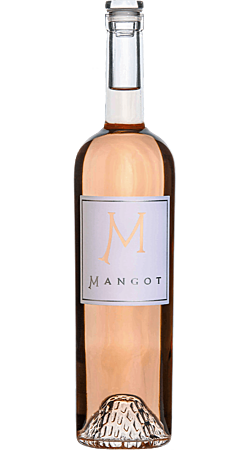
91 WA - The unbeatable 💪
-

- The unbeatable 💪
Château du Seuil - Auro Rousso 2024 - IGP Méditerranée
Provence-Alpes-Côte d'Azur • IGP Méditerranée • Pink
定價 $472.00售價 $472.00 定價單價 $78.66 / unit$593.00 -
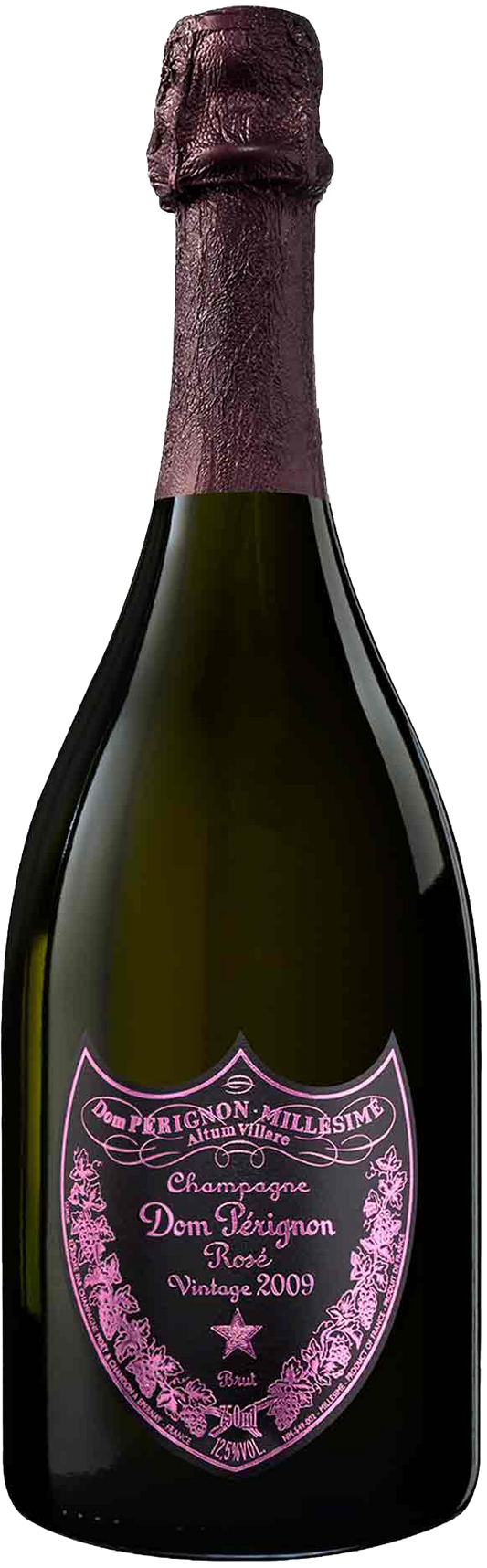
96 WS Dom Pérignon - Coffret Vintage 2009 Rosé
Champagne • Rosé Champagne • Pink
定價 $4,257.00售價 $4,257.00 定價單價 $4,257.00 / unit -
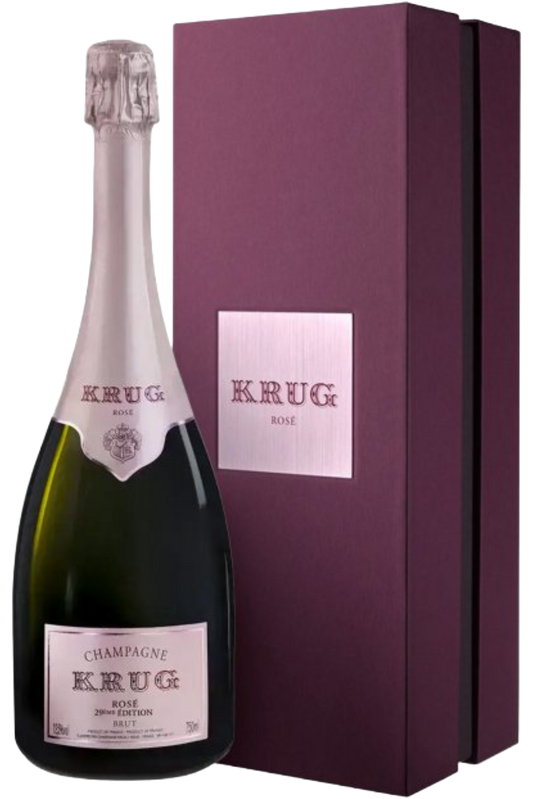
Champagne Krug - Coffret Rosé Edition 29 - Champagne
Champagne • Rosé Champagne • Pink
定價 $3,331.00售價 $3,331.00 定價單價 $3,331.00 / unit -

- The unbeatable 💪
Domaine Comte Lafond - Sancerre Rosé Grande Cuvée 2021
Loire • Sancerre • Pink
定價 $2,628.00售價 $2,628.00 定價單價 $219.00 / unit$3,331.00 -
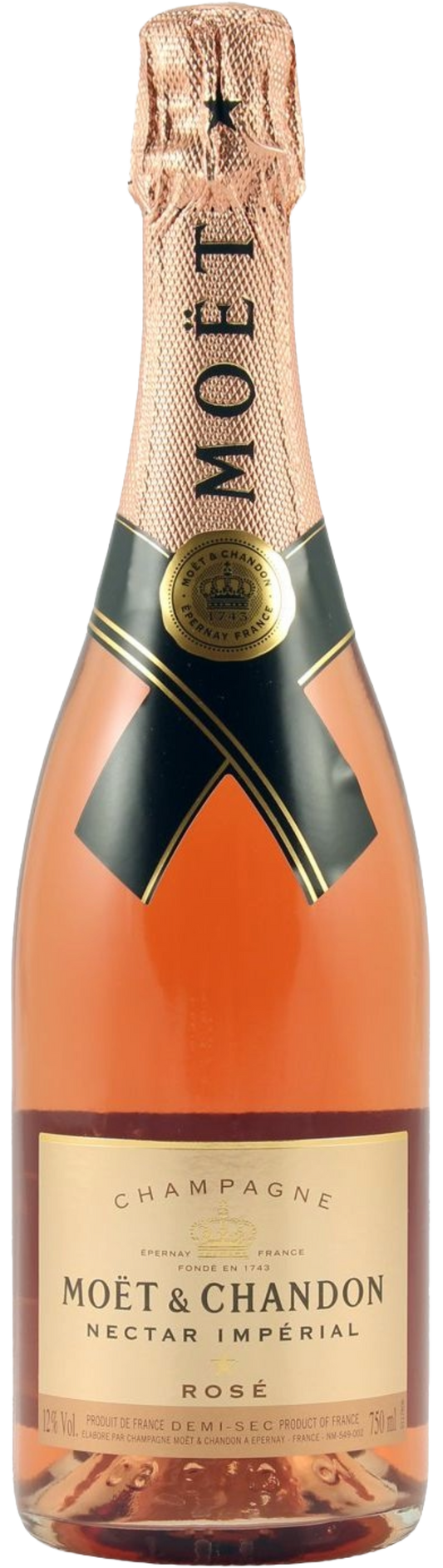
Champagne Moet & Chandon - Champagne Rosé Nectar Impérial
Champagne • Champagne • Pink
定價 $3,776.00售價 $3,776.00 定價單價 $629.33 / unit -
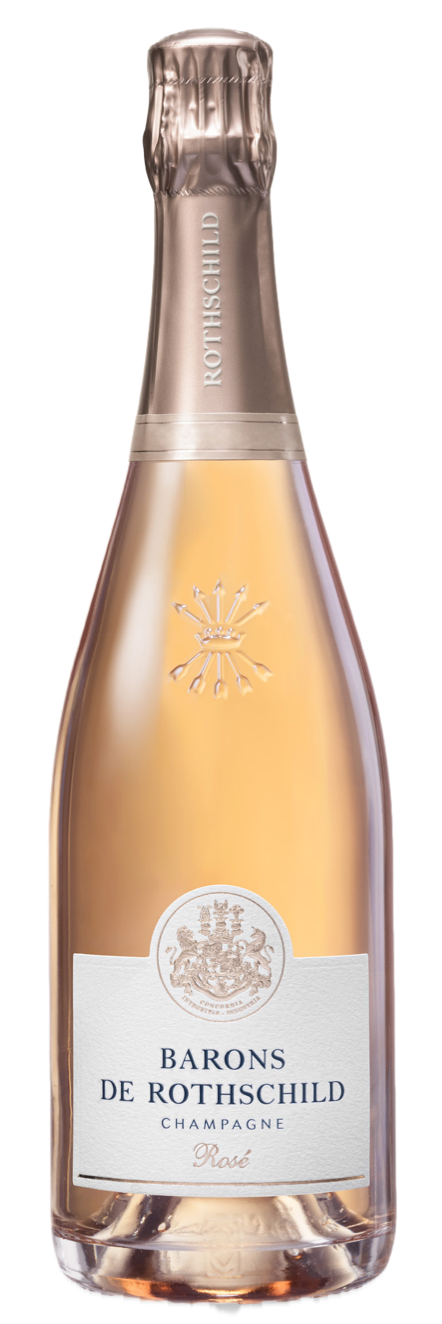
Champagne Barons de Rothschild - Champagne Rosé
Champagne • Champagne • Pink
定價 $2,721.00售價 $2,721.00 定價單價 $453.50 / unit -
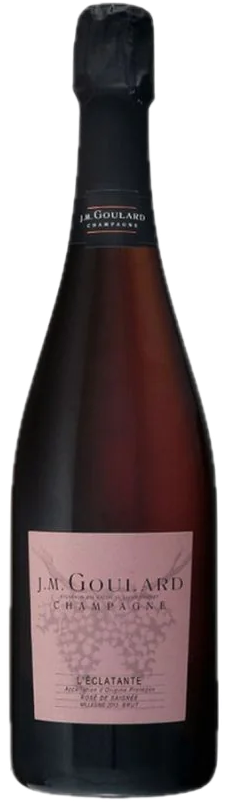
Champagne Goulard - Champagne Rosé de Saignée L'éclatante
Champagne • Champagne • Pink
定價 $2,610.00售價 $2,610.00 定價單價 $435.00 / unit -
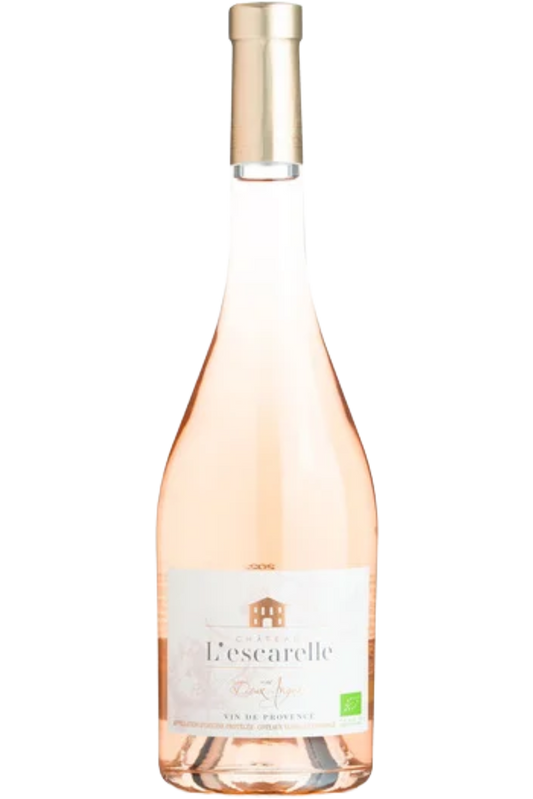
Chateau de L'Escarelle - Coteaux Varois en Provence Les Deux Anges Rose - 2021
Provence-Alpes-Côte d’Azur • Coteaux Varois en Provence • Rosé
定價 $741.00售價 $741.00 定價單價 $123.50 / unit -
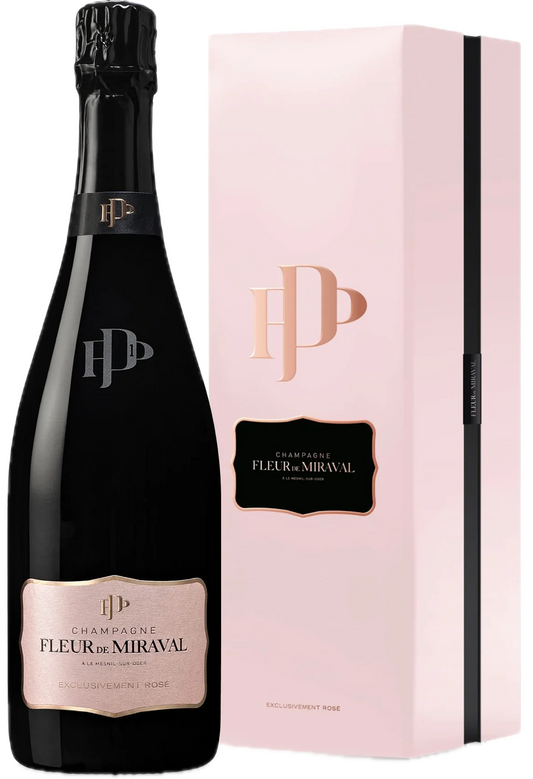
95 WS - The unbeatable 💪
Champagne Fleur de Miraval - Exclusivement Rosé 2
Champagne • Champagne • Pink
定價 $2,526.00售價 $2,526.00 定價單價 $2,526.00 / unit$2,804.00 -
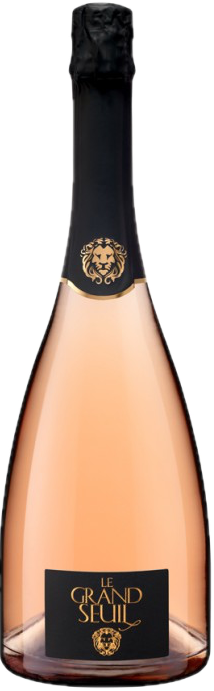
- The unbeatable 💪
Château du Seuil - Méthode Traditionelle Rosé - NM
Provence-Alpes-Côte d’Azur • Rosé
定價 $1,037.00售價 $1,037.00 定價單價 $172.83 / unit$1,300.00 -
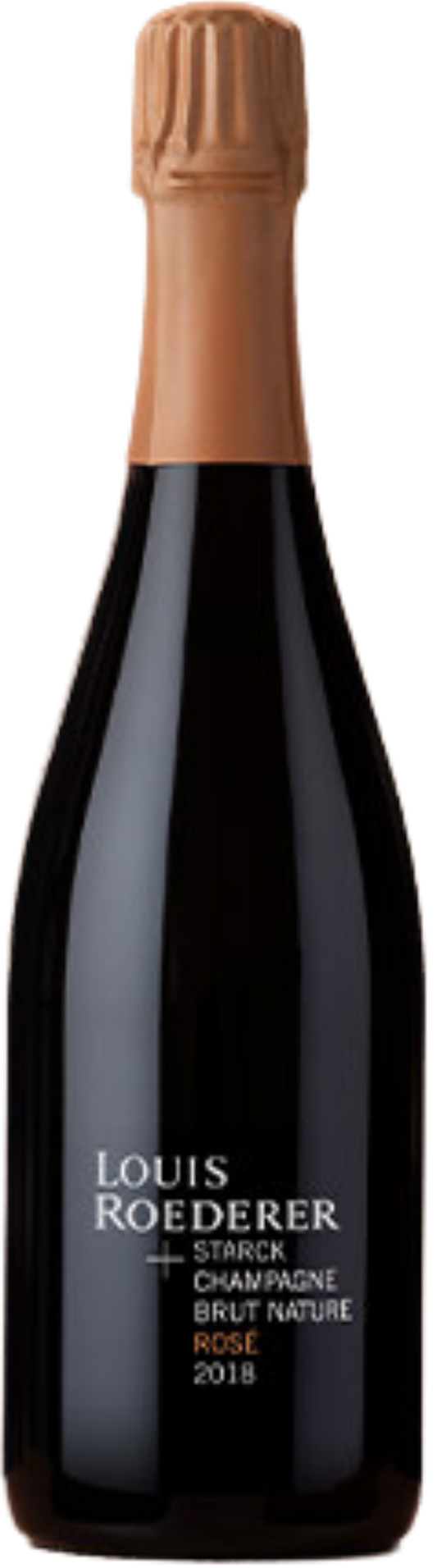
93 WS Champagne Louis Roederer - Brut Nature Starck 2018 - Champagne Rosé
Champagne • Champagne Brut • Rosé
定價 $870.00售價 $870.00 定價單價 $870.00 / unit


Discover other similar names
Color palette of rosé wines
The color of rosé wine comes from anthocyanins , the natural pigments found in the skins of black grapes (rosé is produced from black grapes with white pulp, with rare exceptions). The shade depends primarily on the length of contact between the juice (must) and the grape skins during winemaking.
Very Pale (Light)
Rose petal , Grey , Mother-of-pearl , Sand , Pale pink
Very short maceration (direct pressing) . Often associated with Provence. Wines generally light , fresh , and meant to be drunk young.
Pale to Medium
Salmon , Peach , Coral , Rosewood
Short maceration . Colors often obtained from grape varieties such as Mourvèdre or Grenache in certain regions. Balance between freshness and a bit more structure.
Dark (Strong)
Redcurrant , Raspberry , Grenadine , Cherry , Magenta
Longer maceration (often by bleeding) . Wines generally more structured , more aromatic (intense red fruit), sometimes with a slight aging potential. They are found in regions like Southwest France or in appellations like Tavel.
Several factors explain this diversity:
The maceration time: This is the most determining factor. A very short contact will produce a pale rosé, while maceration for several hours will give a more intense color.
The winemaking method:
- Direct pressing: Gives the lightest rosés (Provence type).
- Skin maceration: Gives rosé wines with more color and aromas.
- Saignée: Produces the darkest and most vinous rosés.
- The grape variety: Some grape varieties (such as Cinsault or Grenache under certain conditions) produce juices that are less colored than others (such as Syrah or Cabernet Sauvignon).
- The age of the wine: Over time, rosé wines tend to take on more orange or coral hues.
Are there rosé wines meant for aging or for fine dining ?
Absolutely! It's a common misconception that's hard to shake, but there are indeed rosé wines meant for aging and gastronomic rosés that offer a complexity and structure worthy of great red or white wines.
These rosés are clearly distinct from "summer" rosés intended to be drunk within the year, which are often very fruity and light.
The Rosé de Garde
A rosé meant for aging is made to be forgotten in the cellar for several years (sometimes 5 to 10 years, or even longer for some). Instead of losing their aromas, these wines gain in complexity and develop new nuances.
Characteristics of Rosé de Garde:
-
Structure and Tannins: They often come from more structuring grape varieties such as Mourvèdre or Pinot Noir , and benefit from a longer maceration to extract more matter and sometimes fine tannins.
-
Aging: Many are vinified and aged in oak barrels , which gives them richness, creaminess, and spicy or toasty notes that become more complex over time.
-
Colour: Their colour may be more intense at first, or evolve towards more orange or coppery shades with age.
-
Evolution of aromas: They go from notes of fresh red fruits to notes of candied fruits , candied citrus fruits, honey , spices , undergrowth or garrigue .
Notable Appellations for Rosé de Garde:
-
Bandol (Provence): Thanks to the predominant use of the Mourvèdre grape variety, these rosés are powerful, structured, and made for aging.
-
Tavel (Rhône Valley): This is the only appellation in France that produces only rosé. Their wines are structured , vinous (often darker), and have excellent aging potential.
-
Palette (Provence): A small historic appellation where Château Simone produces a mythical rosé, very complex and with a very long aging potential.
-
Some prestigious Côtes-de-Provence vintages: Large estates offer high-end vintages (often vinified in wood) designed for gastronomy and aging (for example, Crus Classés of Provence).
Gastronomic Rosé
Gastronomic rosé is a wine which, through its aromatic complexity and structure on the palate , is able to pair with dishes more elaborate than classic summer barbecues.
Characteristics of Gastronomic Rosé:
-
Complexity: It has a rich aroma palette, often with notes of spices, flowers, or ripe fruit, and a beautiful minerality .
-
Structure and Length: It has body (fat or creaminess) and a nice persistence in the mouth, which allows it to stand up to tasty dishes without fading away.
-
Pairings: It is perfect for exotic cuisine (light curry, tagines), Provençal cuisine (bouillabaisse, ratatouille), fine fish (red mullet, tuna) or poultry (guinea fowl, chicken in cream sauce).
A rosé meant for aging is, by definition, also an excellent gastronomic rosé! Their structure and aromatic evolution make them perfectly suited to be served on a fine table.