
-
- The unbeatable 💪
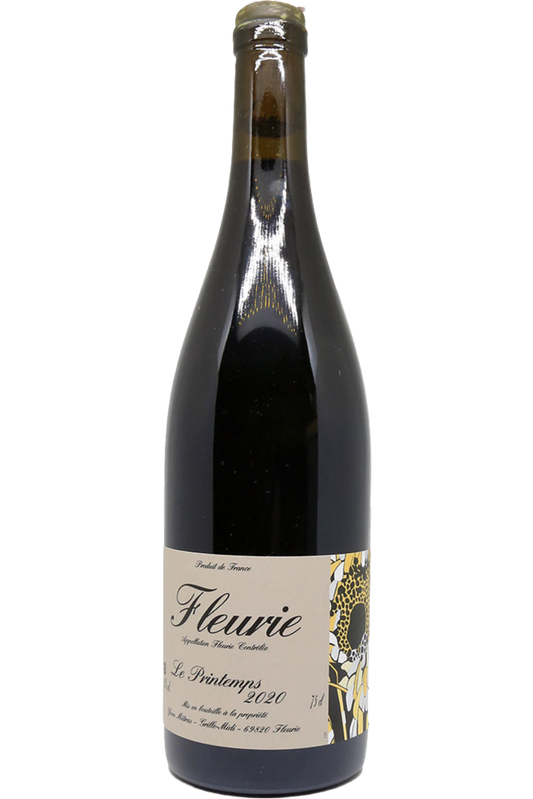
Domaine Yvon Metras - Fleurie Printemps 2020
Beaujolais • Fleurie • Red
定價 $472.00售價 $472.00 定價單價 $472.00 / unit -
- The unbeatable 💪
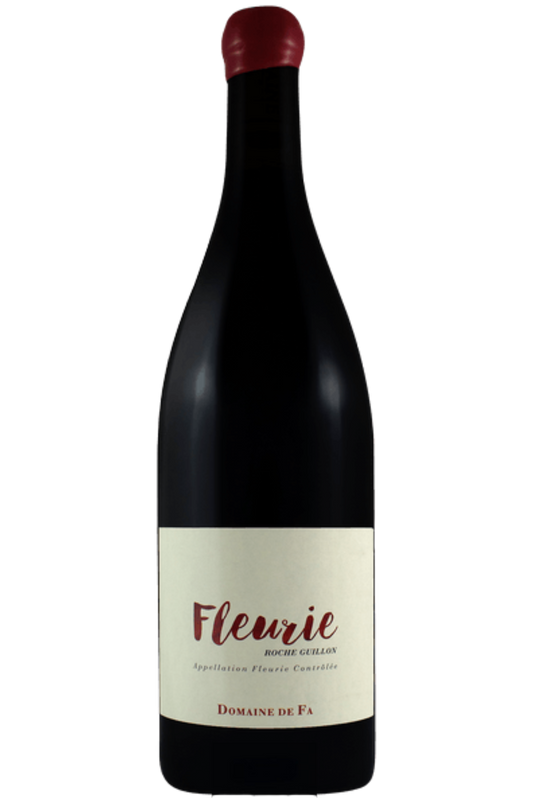
Domaine de Fa - Fleurie La Roche Guillon 2020
Beaujolais • Fleurie • Red
定價 $306.00售價 $306.00 定價單價 $306.00 / unit -
- The unbeatable 💪
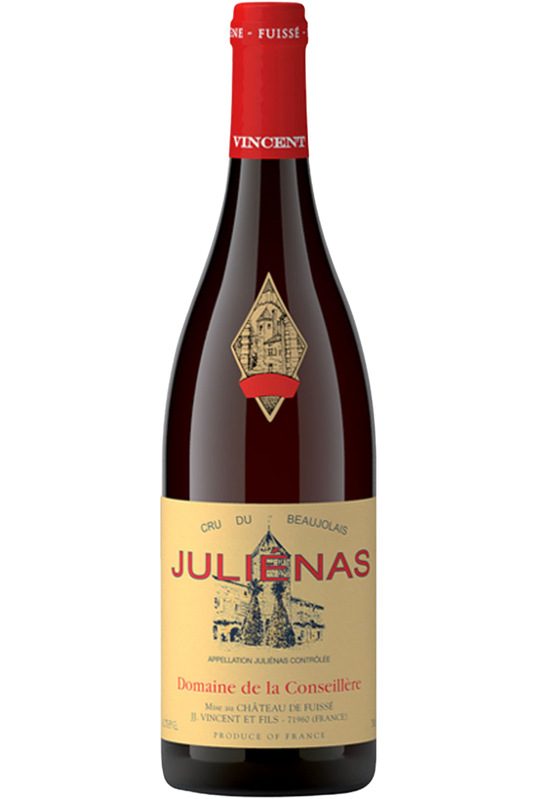
Château Fuissé - Juliénas 2019
Beaujolais • Juliénas • Red
定價 $223.00售價 $223.00 定價單價 $223.00 / unit -
- The unbeatable 💪
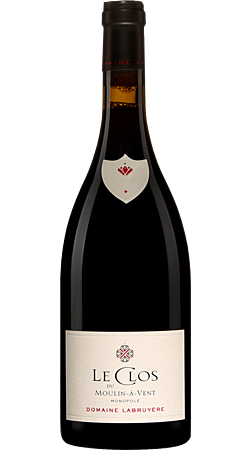
Domaine Labruyère - Le Clos du Moulin-à-vent Monopole 2017 - Moulin-à-Vent
Beaujolais • Moulin-à-Vent • Red
定價 $445.00售價 $445.00 定價單價 $445.00 / unit -
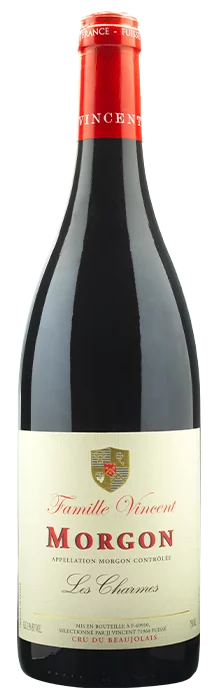
- The unbeatable 💪
Château Fuissé - Morgon Les Charmes 2021
Beaujolais • Morgon • Red
定價 $241.00售價 $241.00 定價單價 $241.00 / unit -
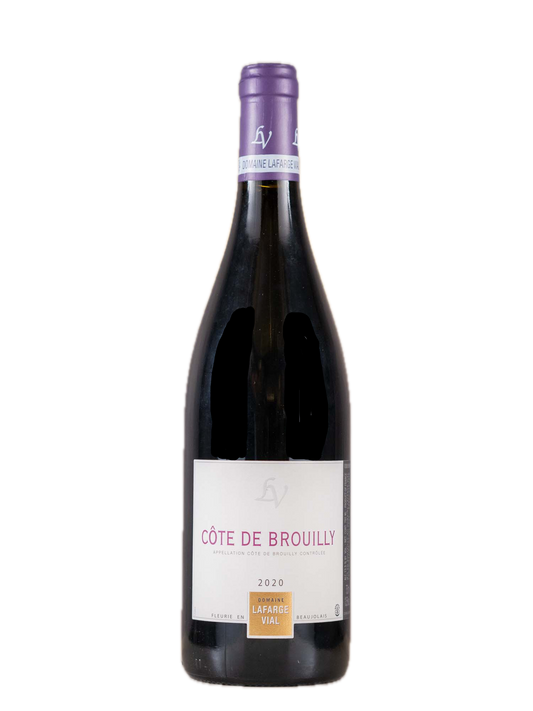
92+ WA - The unbeatable 💪
Domaine Lafarge-Vial - Côte de Brouilly 2019
Beaujolais • Côte de Brouilly • Red
定價 $334.00售價 $334.00 定價單價 $334.00 / unit -
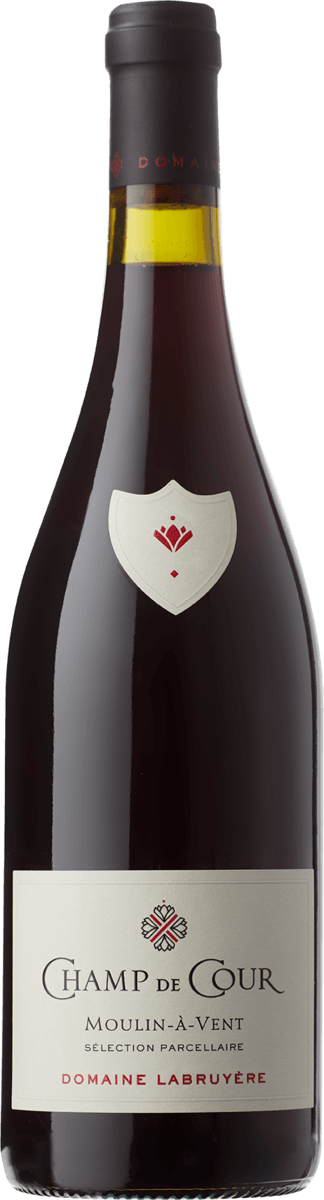
2 étoiles Hachette - The unbeatable 💪
Domaine Labruyère - Champ de Cour 2017 - Moulin-à-Vent
Beaujolais • Moulin-à-Vent • Red
定價 $232.00售價 $232.00 定價單價 $232.00 / unit -

Domaine Pierre Cotton - Poncié 2021 - Fleurie
Beaujolais • Fleurie • Red
定價 $1,277.00售價 $1,277.00 定價單價 $212.83 / unit -

92 JS Domaine Labruyère - Le Carquelin 2019 - Moulin-à-Vent
Beaujolais • Moulin-à-Vent • Red
定價 $1,721.00售價 $1,721.00 定價單價 $286.83 / unit -

Domaine Pierre Cotton - 2021 - Fleurie
Beaujolais • Fleurie • Red
定價 $1,296.00售價 $1,296.00 定價單價 $216.00 / unit$0.00 -

Domaine Jean-Claude Lapalu - Vieilles Vignes 2022 - Brouilly
Beaujolais • Brouilly • Red
定價 $1,102.00售價 $1,102.00 定價單價 $183.66 / unit$0.00 -

Domaine Pierre Cotton - 100% Cotton 2022 - Côte de Brouilly
Beaujolais • Côte de Brouilly • Red
定價 $1,250.00售價 $1,250.00 定價單價 $208.33 / unit$0.00 -

Chateau du Moulin A Vent - Moulin-a-Vent - 2019
Beaujolais • Moulin-à-Vent • Red
定價 $1,333.00售價 $1,333.00 定價單價 $444.33 / unit -

Domaine Pierre Cotton - Les Grillés 2019 - Côte de Brouilly
Beaujolais • Côte de Brouilly • Red
定價 $1,444.00售價 $1,444.00 定價單價 $240.66 / unit -

Chateau du Moulin A Vent - Les Verillats Moulin-a-Vent - 2020
Beaujolais • Moulin-à-Vent • Red
定價 $1,555.00售價 $1,555.00 定價單價 $259.16 / unit -

Chateau du Moulin A Vent - La Rochelle Moulin-a-Vent - 2014
Beaujolais • Moulin-à-Vent • Red
定價 $2,036.00售價 $2,036.00 定價單價 $339.33 / unit$0.00 -

Domaine Christophe Pacalet - Moulin à Vent 2021
Beaujolais • Moulin-à-Vent • Red
定價 $2,221.00售價 $2,221.00 定價單價 $185.08 / unit -

Domaine Christophe Pacalet - Chenas 2021
Beaujolais • Chenas • Red
定價 $1,999.00售價 $1,999.00 定價單價 $166.58 / unit$0.00 -

Domaine Christophe Pacalet -Julienas 2021
Beaujolais • Juliénas • Red
定價 $1,999.00售價 $1,999.00 定價單價 $166.58 / unit$0.00 -

Domaine Joseph Chamonard - Morgon 2019
Beaujolais • Morgon • Red
定價 $1,444.00售價 $1,444.00 定價單價 $240.66 / unit -
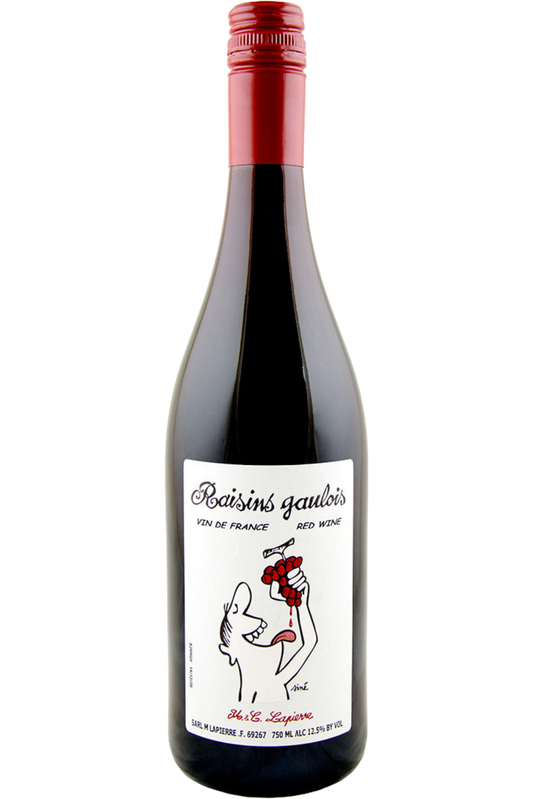
Domaine Marcel Lapierre - Raisins Gaulois 2022
Beaujolais • Vin de France • Red
定價 $889.00售價 $889.00 定價單價 $148.16 / unit -
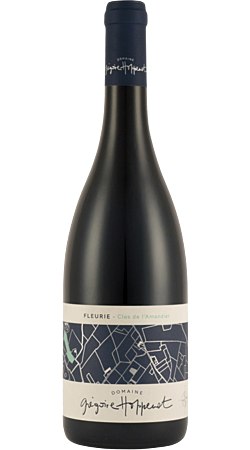
91 JS Domaine Hoppenot - Clos de l'Amandier 2022 - Fleurie
Beaujolais • Fleurie • Red
定價 $1,494.00售價 $1,494.00 定價單價 $249.00 / unit -

Domaine Louis Claude Desvignes - Morgon La Voute Saint Vincent 2022
Beaujolais • Morgon • Red
定價 $1,000.00售價 $1,000.00 定價單價 $166.66 / unit$0.00 -
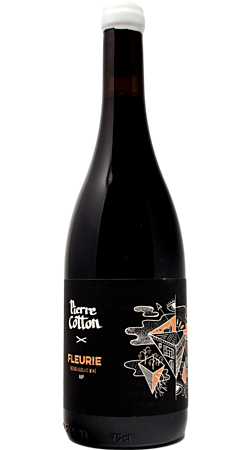
Domaine Pierre Cotton - Poncié 2022 - Fleurie
Beaujolais • Fleurie • Red
定價 $1,760.00售價 $1,760.00 定價單價 $293.33 / unit -

Domaine du Moulin d'Eole - Moulin-à-Vent Les Thorins 2021
Beaujolais • Moulin-à-Vent • Red
定價 $1,166.00售價 $1,166.00 定價單價 $194.33 / unit -
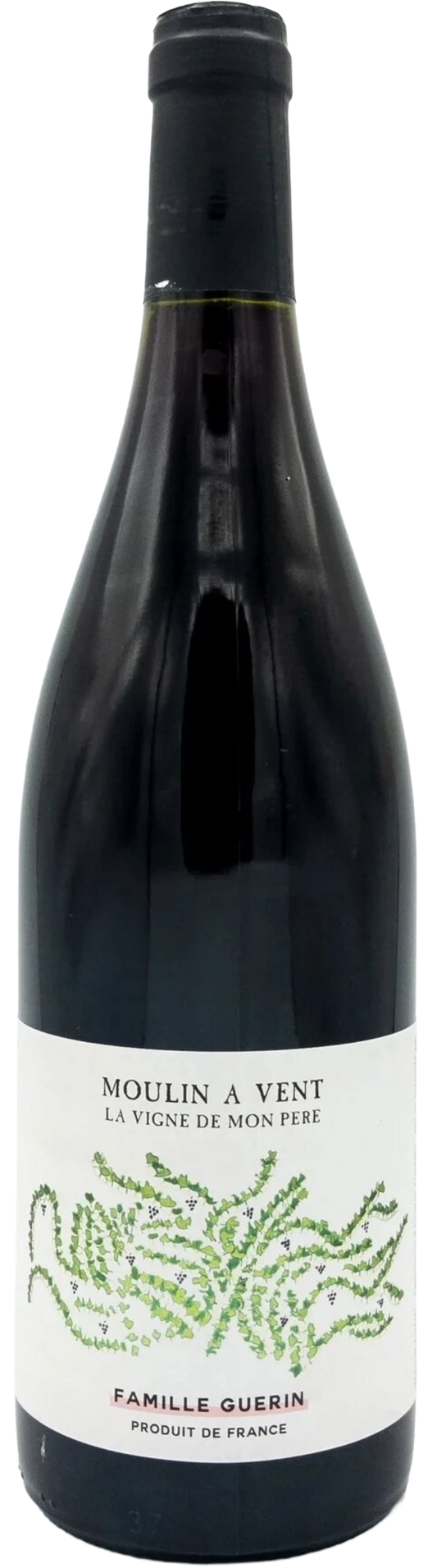
Domaine du Moulin d'Eole - Moulin-à-Vent Les Vignes de mon Père 2020
Beaujolais • Moulin-à-Vent • Red
定價 $1,000.00售價 $1,000.00 定價單價 $166.66 / unit -

Domaine Yvon Metras - Beaujolais Madame Placard 2020
Beaujolais • Beaujolais • Red
定價 $1,833.00售價 $1,833.00 定價單價 $305.50 / unit -

Domaine Yvon Metras - Fleurie Printemps 2021
Beaujolais • Fleurie • Red
定價 $1,037.00售價 $1,037.00 定價單價 $1,037.00 / unit -

Domaine Jules Metras - Beaujolais Villages Bijou 2020
Beaujolais • Beaujolais • Red
定價 $4,553.00售價 $4,553.00 定價單價 $379.41 / unit$0.00 -

Domaine Jules Metras - Chiroubles 2018
Beaujolais • Chiroubles • Red
定價 $4,220.00售價 $4,220.00 定價單價 $351.66 / unit


The domains of the appellation Beaujolais
The Beaujolais region
Spanning 18,000 hectares between the Monts du Lyonnais to the south and the Mâconnais to the north, the Beaujolais region is often considered the poor relation of Burgundy – to which it belongs. Beaujolais gained worldwide renown by inventing and distributing, even as far away as Japan, this young wine called Beaujolais Nouveau . The fourth Thursday of November is a day of celebration when this young wine is offered for tasting – particularly in Beaujeu during the Sarmentelles festival.
Often associated with the taste of banana or strawberry, Beaujolais Nouveau is a commercial venture that has undoubtedly ended up harming and devaluing the region rather than benefiting it. Vines in the Beaujolais and Beaujolais-Villages appellations are frequently uprooted, and winegrowers now struggle to make a living from their vineyards.
The Beaujolais region's hillsides are planted almost exclusively with Gamay (Noir à Jus Blanc) for the production of red wines; this grape variety reveals red fruit flavors when tasted. The harvest takes place, depending on the year, between the end of August and the beginning of October.
Beaujolais Blanc is produced from the rarest Chardonnay vines, which develop a floral (white flowers) and fruity aroma.
The Beaujolais wines
But Beaujolais is also the story of 10 crus in the north and east of the region. These crus are called Régnié, Brouilly, Morgon, Chénas, Chiroubles, Juliénas, Saint-Amour, Fleurie , Moulin-à-Vent , and Côte de Brouilly . Each cru has its own specific terroir. Even though Beaujolais isn't known for its long aging potential, these crus have good aging potential, generally lasting up to 8 or 10 years. Some exceptional wines can be cellared for several decades.
At Cavissima, we are primarily interested in the last three of these Beaujolais crus for their ability to produce wines suitable for aging and offering excellent value for money.
Did you know? A piece of Moulin à Vent was worth more than a piece of Pommard at the beginning of the 20th century.
Windmill
The Moulin à Vent appellation comprises hillside vineyards on soils poor in clay and subsoils of manganese-rich granite. The red wines can age for twenty years or more. Among the best estates are Château des Jacques , Domaine du Vissoux (Pierre-Marie Chermette), and Domaine Paul Janin ; Grand Cru producers whose wines are well worth a visit !
Flowery
Fleurie is considered the most feminine of the Beaujolais Crus . This appellation, comprised of 13 climats, is primarily based on sandy soil resulting from the erosion of pink granite, which produces very fine wines, but also on clay soils at the lower slopes, which yield more full-bodied wines. Among the best estates working there are Domaine du Vissoux (again!) and Villa Ponciago .
The flagship vintages of Beaujolais
Climate change is well-suited to Gamay – a late-ripening grape variety – and to the Beaujolais region. The truly great vintages are 2009, 2015, and 2016. These are timeless vintages to cellar and then forget about.