

-
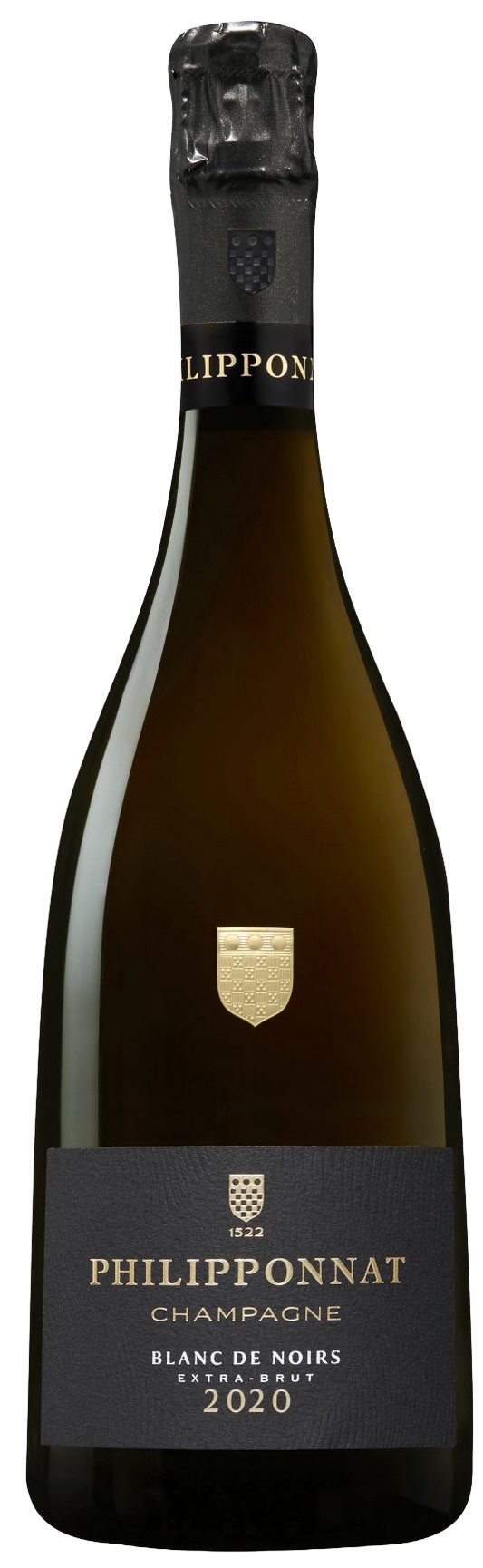
94 RVF Champagne Philipponnat - Blanc de noirs Extra-Brut 2020
Champagne • Champagne Blanc de Noirs • White
定價 $704.00售價 $704.00 定價單價 $704.00 / unit -
- Exclusivité Collection
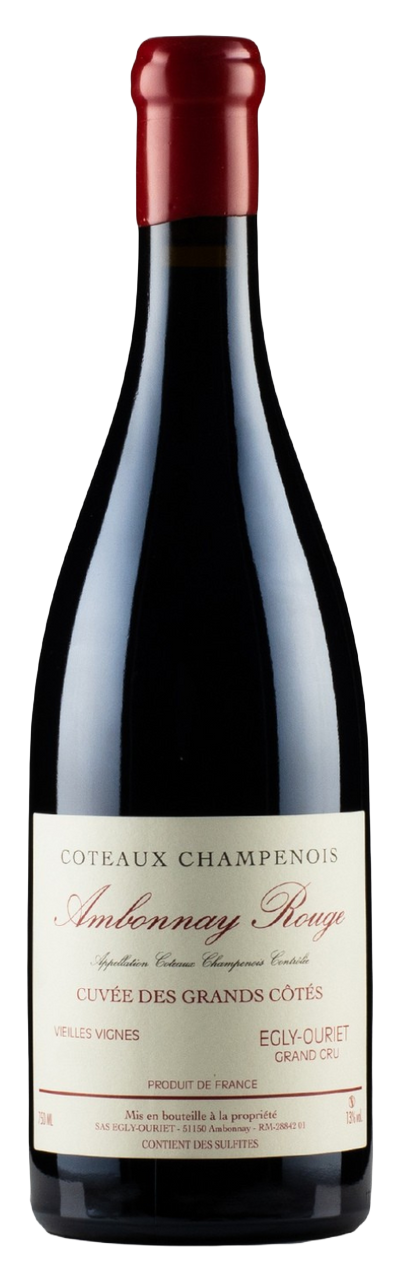
Champagne Egly-Ouriet - Coteaux Champenois Ambonnay Rouge 2024
Champagne • Coteaux Champenois • Rouge
定價 $1,833.00售價 $1,833.00 定價單價 $1,833.00 / unit -
18 RVF - Exclusivité Collection
Champagne Egly-Ouriet - Coteaux Champenois Ambonnay Rouge 2019
Champagne • Coteaux Champenois • Rouge
定價 $5,163.00售價 $5,163.00 定價單價 $5,163.00 / unit -
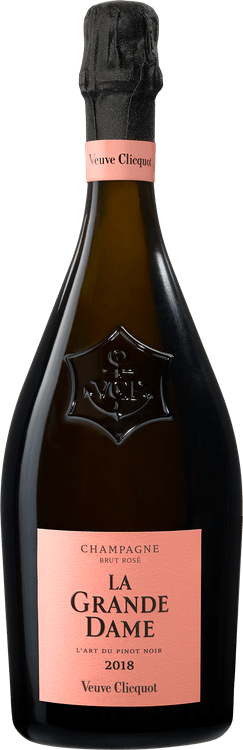
95 V Champagne Veuve Clicquot - La Grande Dame Rosé 2018
Champagne • Champagne Rosé • Rosé
定價 $1,999.00售價 $1,999.00 定價單價 $1,999.00 / unit -
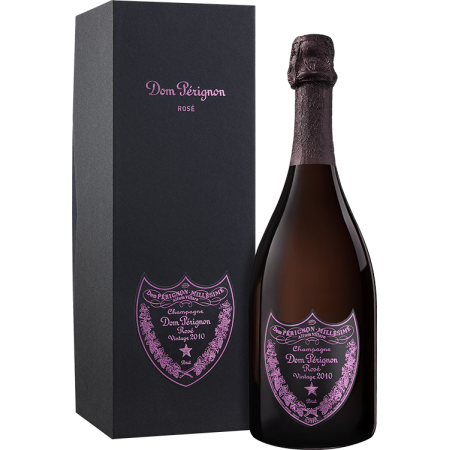
96 V Dom Pérignon 2010 Rosé Vintage - Coffret
Champagne • Champagne Rosé • Pink
定價 $4,534.00售價 $4,534.00 定價單價 $4,534.00 / unit -
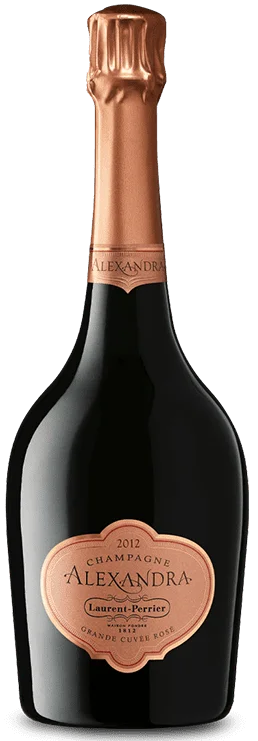
96 WS Champagne Laurent Perrier - Cuvée Alexandra Rosé 2012
Champagne • Champagne • Rosé
定價 $3,517.00售價 $3,517.00 定價單價 $3,517.00 / unit -
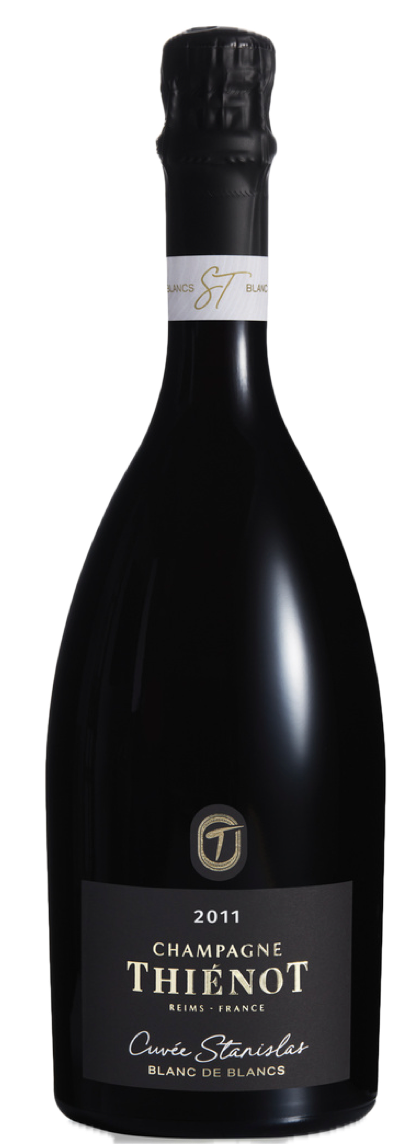
Champagne Thiénot - Cuvée Stanislas Blanc de Blancs 2011
Champagne • Champagne Blanc de Blancs • Blanc
定價 $926.00售價 $926.00 定價單價 $926.00 / unit -
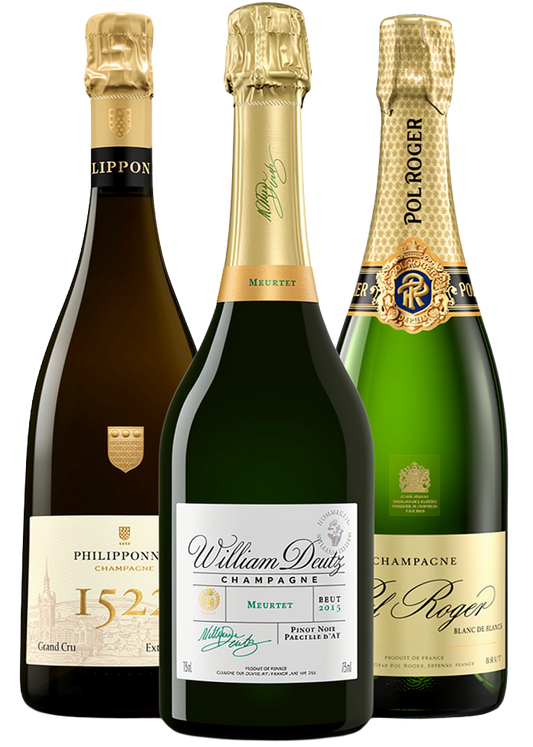
Découverte Grands Vins de Champagne 2015
Champagne • White
定價 $2,749.00售價 $2,749.00 定價單價 $916.33 / unit -
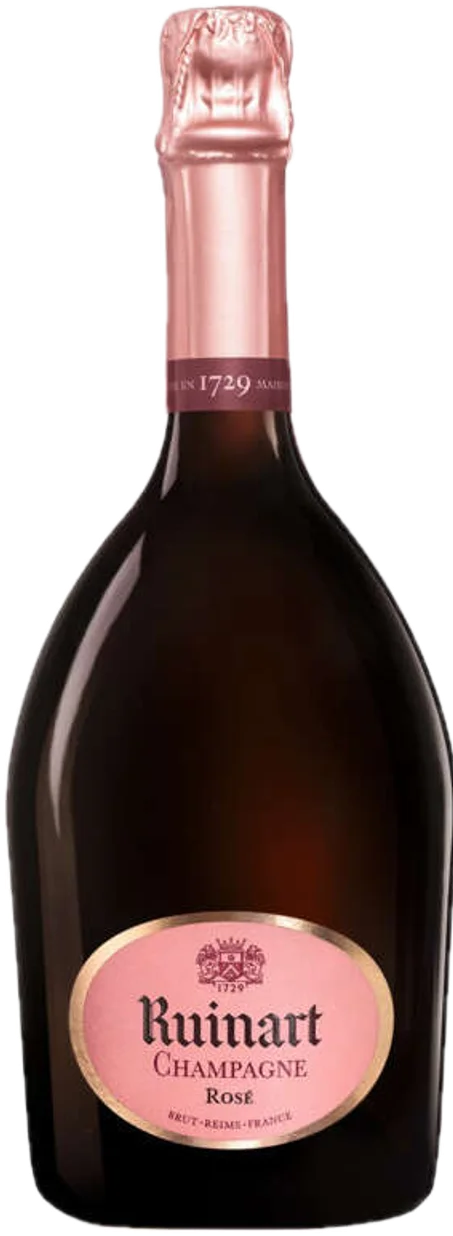
Ruinart - NM - Champagne Rosé
Champagne • Champagne Rosé • Rosé
定價 $805.00售價 $805.00 定價單價 $805.00 / unit -
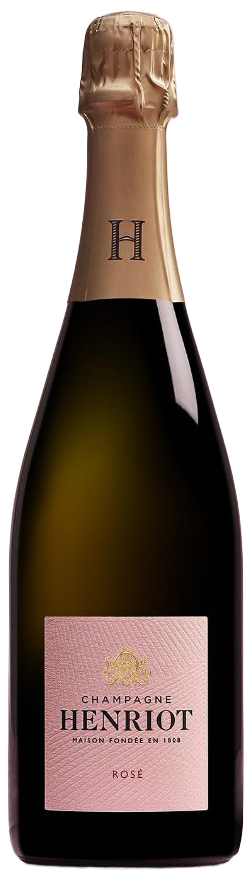
Champagne Henriot - Brut Rosé - Champagne
Champagne • Champagne Brut Rosé • Rosé
定價 $2,388.00售價 $2,388.00 定價單價 $398.00 / unit -
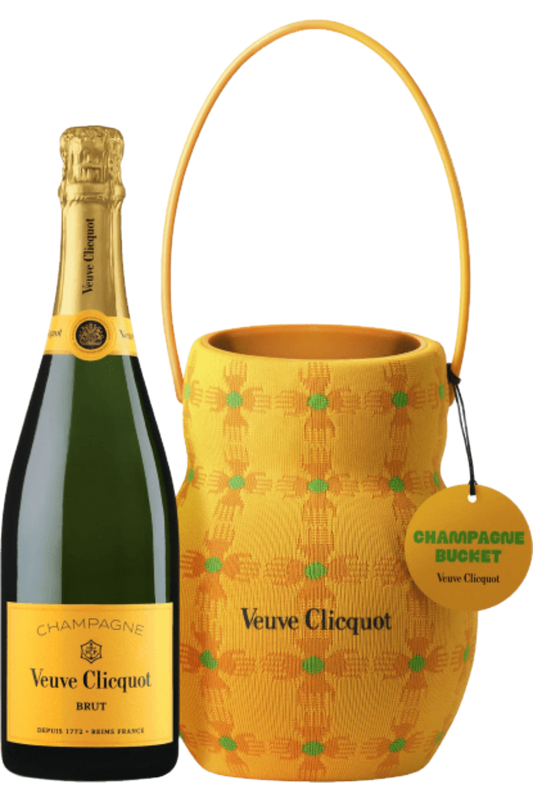
Sun Holder (seau à glace) - Edition Limitée Yinka Ilory Veuve Clicquot Brut Carte Jaune
Champagne • Champagne • White
定價 $620.00售價 $620.00 定價單價 $620.00 / unit -
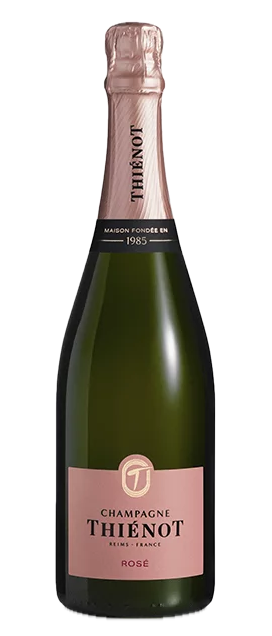
Champagne Thiénot - Brut Rosé
Champagne • Champagne Brut Rosé • Rosé
定價 $500.00售價 $500.00 定價單價 $500.00 / unit -
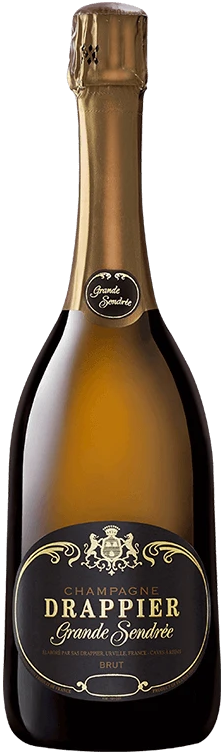
Champagne Drappier - La Grande Sendrée 2015
Champagne • Champagne Millésimé • Blanc
定價 $880.00售價 $880.00 定價單價 $880.00 / unit -
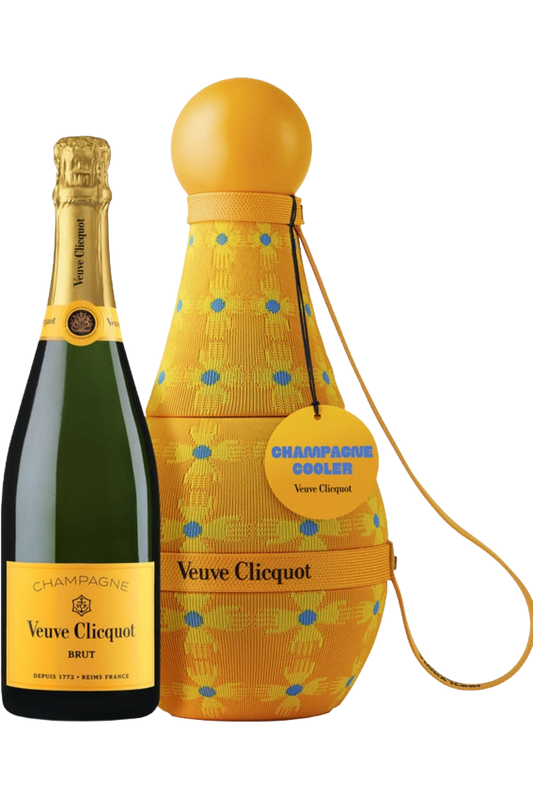
Sun Totem brut - Edition Limitée Yinka Ilory Veuve Clicquot Brut Carte Jaune
Champagne • Champagne • White
定價 $639.00售價 $639.00 定價單價 $639.00 / unit -
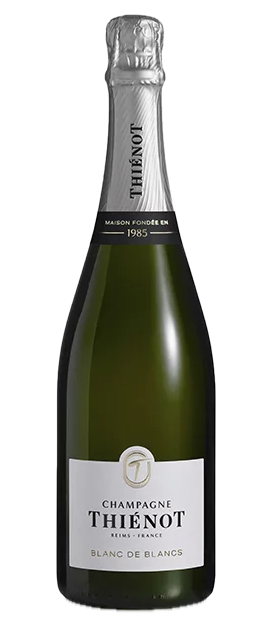
Champagne Thiénot - Blanc de blancs
Champagne • Champagne Blanc de Blancs • Blanc
定價 $500.00售價 $500.00 定價單價 $500.00 / unit -
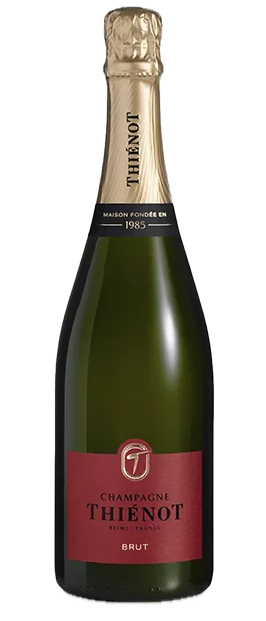
Champagne Thiénot - BrutChampagne Thiénot - Brut
Champagne • Champagne Brut • Blanc
定價 $352.00售價 $352.00 定價單價 $352.00 / unit
Champagne, a celebratory wine
Synonymous with celebration, victory, and success, Champagne is the quintessential celebratory wine. It was once associated with the coronation of French kings. Today, a bottle or magnum of Champagne graces every major playing field and sporting venue to celebrate a champion's victory. The most prestigious Champagne houses then engage in fierce competition to become the sponsor of a Formula 1 Grand Prix, the Tour de France, or the FIFA World Cup.
Celebrations are increasingly finding their way onto the tables of wine lovers, as Champagne , with its pale gold hue, is by turns an aperitif , a gastronomic wine, or a dessert wine . Its fine bubbles are pleasing to the palate, stimulate the appetite, and aid digestion.
The Champagne region
Champagne is a 33,000-hectare wine region straddling three departments: Aisne, Marne, and Aube. It is the only region in France that claims only one main appellation . There are three production areas in Champagne, situated on limestone subsoils and clay-limestone marls: the Côte des Blancs (predominantly planted with Chardonnay around Épernay), the Montagne de Reims (predominantly planted with Pinot Noir and Meunier, south of Reims), and the Côte des Bars . A classification system based on individual vineyard plots distinguishes between Grand Cru Champagne , Premier Cru Champagne , and Village Champagne .
How is Champagne made?
Champagne wines are either blends or single-varietal wines, such as Blanc de Blancs (Chardonnay) or Blanc de Noirs (Pinot Noir). They can be made from reserve wines—a blend of wines from several vintages—or from vintage wines—produced from a single vintage. Vintage Champagnes are produced in exceptional years and are particularly well-suited for aging in the cellar for up to 15 years or more.
In Champagne, it is customary to add or not a dosage liqueur (or liqueur de tirage) which will affect the residual sugar level. Depending on the quantity, the Champagne will be declared Zero Dosage , Extra-Brut , Brut or Demi-Sec .
While Champagne is generally a white wine obtained by pressing grapes, Rosé Champagne It is obtained either by mixing white juice and red juice (blend), or by stopping the maceration of black grapes and then pressing the must (rosé de saignée).
This process, developed by the monk Dom Pérignon in Épernay, has been jealously guarded over time. Champagne wine has become a protected and globally recognized brand. It is closely linked to the terroir and the chalk cellars of Champagne – now a UNESCO World Heritage Site. Furthermore, no wine produced outside the appellation's boundaries has the right to bear the title "Champagne".
The iconic producers of Champagne
Champagne has some very large producers in terms of reputation and quantity produced, such as Henriot or Roederer , but also talented winemakers like Cheurlin or Vincent Couche – one of the few followers of biodynamics.
Key vintages in Champagne
The last great vintages of Champagne are 1996 , 2002 , 2005 , 2008 and 2012 .