Château l'Evangile
History of the Estate
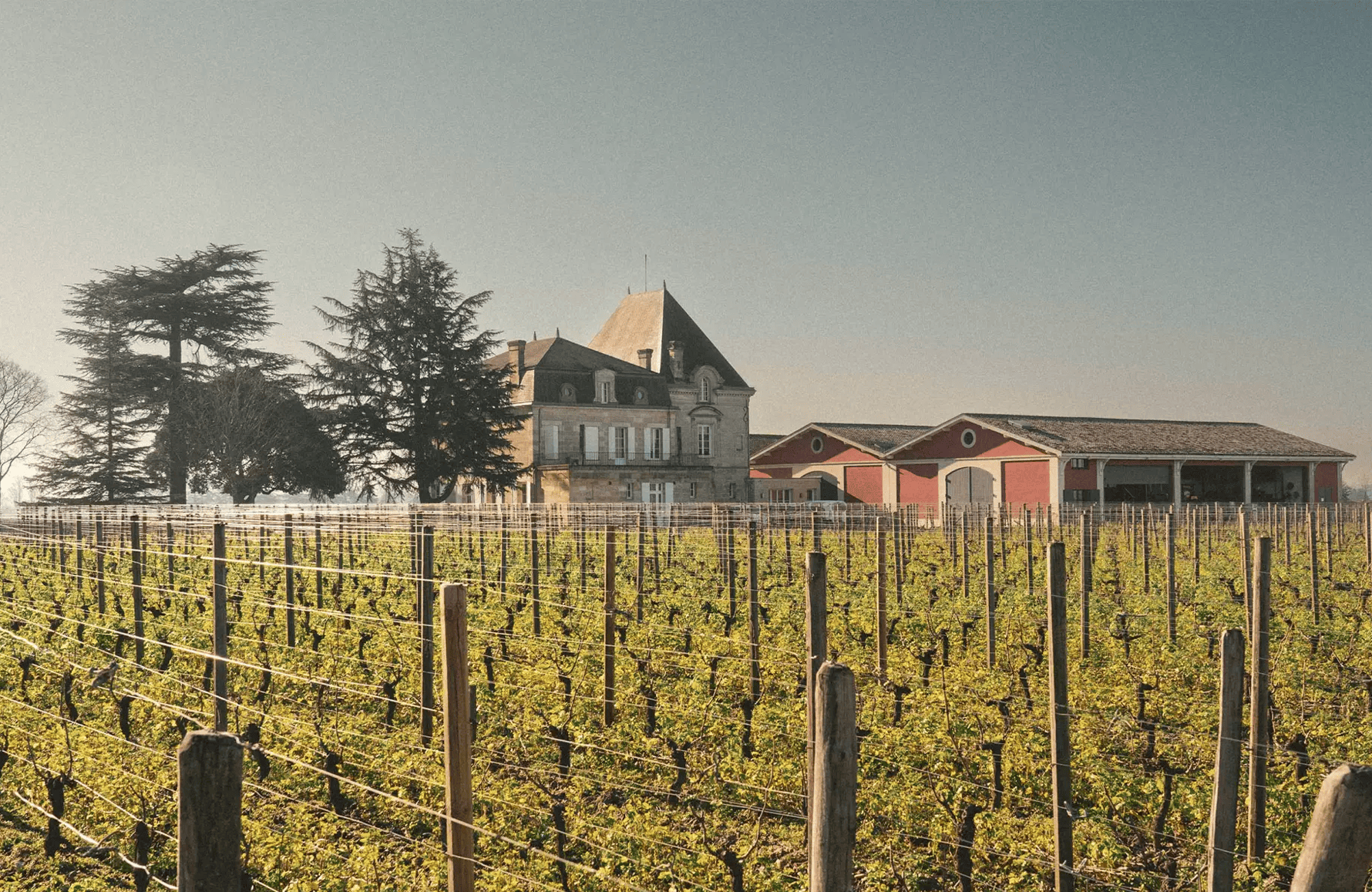
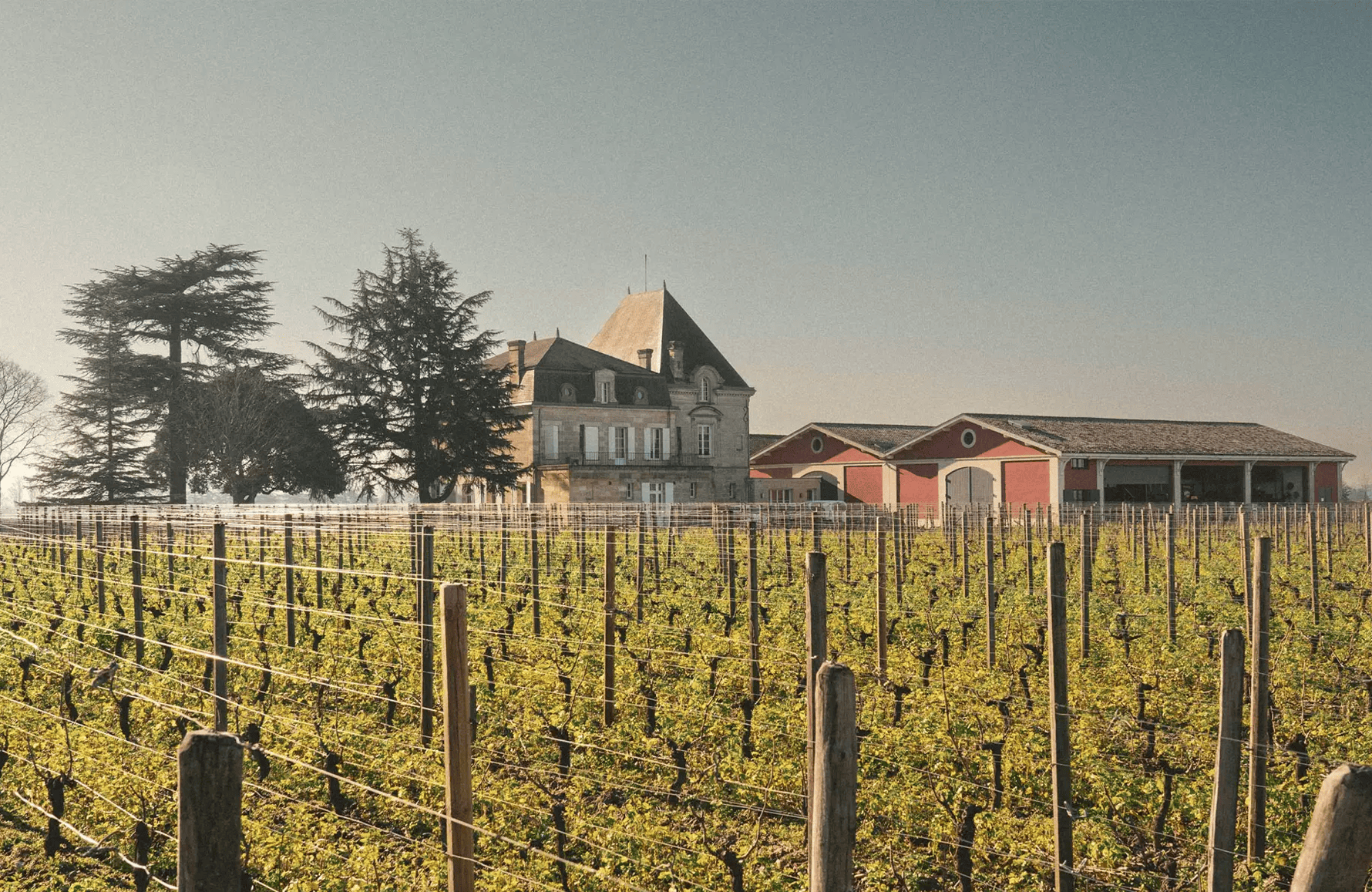
Initially, in 1741, it was under the name of “Fazilleau"that the estate appears in the land registry. The Leglise family, owners at the time, actively participated in the establishment of the Pomerol vineyard. It was at the turn of the 19th century that the estate took its final name. It was indeed renamedthe Gospelby the new owner, a lawyer namedIsambertThe latter will give the Gospel toPaul Chaperonwho will decide to add a castle to it. Under Chaperon's guidance, Château l'Evangile will gain in renown and quality, eventually receiving the title of “Premier Grand Cru of Haut-PomerolDespite severe weather and other events that have affected the vineyards, Chaperon's descendants will strive to maintain the highest rank of the Gospel.Louis DucasseIn particular, it will restore the vineyard and restore the Château to its former glory.
The Flight
The arrival of Baron Rothschild
In 1990,Eric de Rothschildtakes the lead ofChâteau l'EvangileAnd from then on, a new lease of life swept through the estate. Benefiting from investments fromDomaines Barons de Rothschild (Lafite)A profound restructuring has begun, both in the vineyard and the winery.
- New plots of land are purchased, bringing the size of the vineyard to 19 hectares.
- A partial renewal plan is also underway.
- The infrastructure has also been improved. The vat room has been completely renovated and a new underground cellar has been put into service since 2004.
The results of this profound transformation led byJean-Pascal Vazartare noticeable in the latest vintages.
As a reminder, from 1868 onwardsDomaines Barons de Rothschild (Lafite)have acquired several properties in the Bordeaux region and elsewhere (Chile and Argentina). Among others, they are the proud owners ofChâteau Lafite Rothschild(1st classified growth of Pauillac),Duhart-Milon, AndRieussec.
The Pomerol appellation
Exceptional wines
The 19 hectares of vineyards ofChâteau l'Evangileare beautifully situated between those ofPetrusandWhite Horse.
On the set ofPomerol, the vines ofMerlot(80%) and ofCabernet Franc(20%) thrive on varied soils that blend iron-rich clay, clayey gravel, and clayey-gravelly silica. All the vines are managed plot by plot, from harvest to vinification. Aging takes place entirely in new oak barrels (85% of which come from the Lafite Rothschild cooperage), and all malolactic fermentation occurs in oak.
This traditional and meticulous method results in exceptional wines. Generally speaking, the wine expresses itself in a consistently ample and generous style, while possessing admirable depth. In a purely qualitative approach, a second wine was created in the 1990s:Coat of arms of the Gospel.