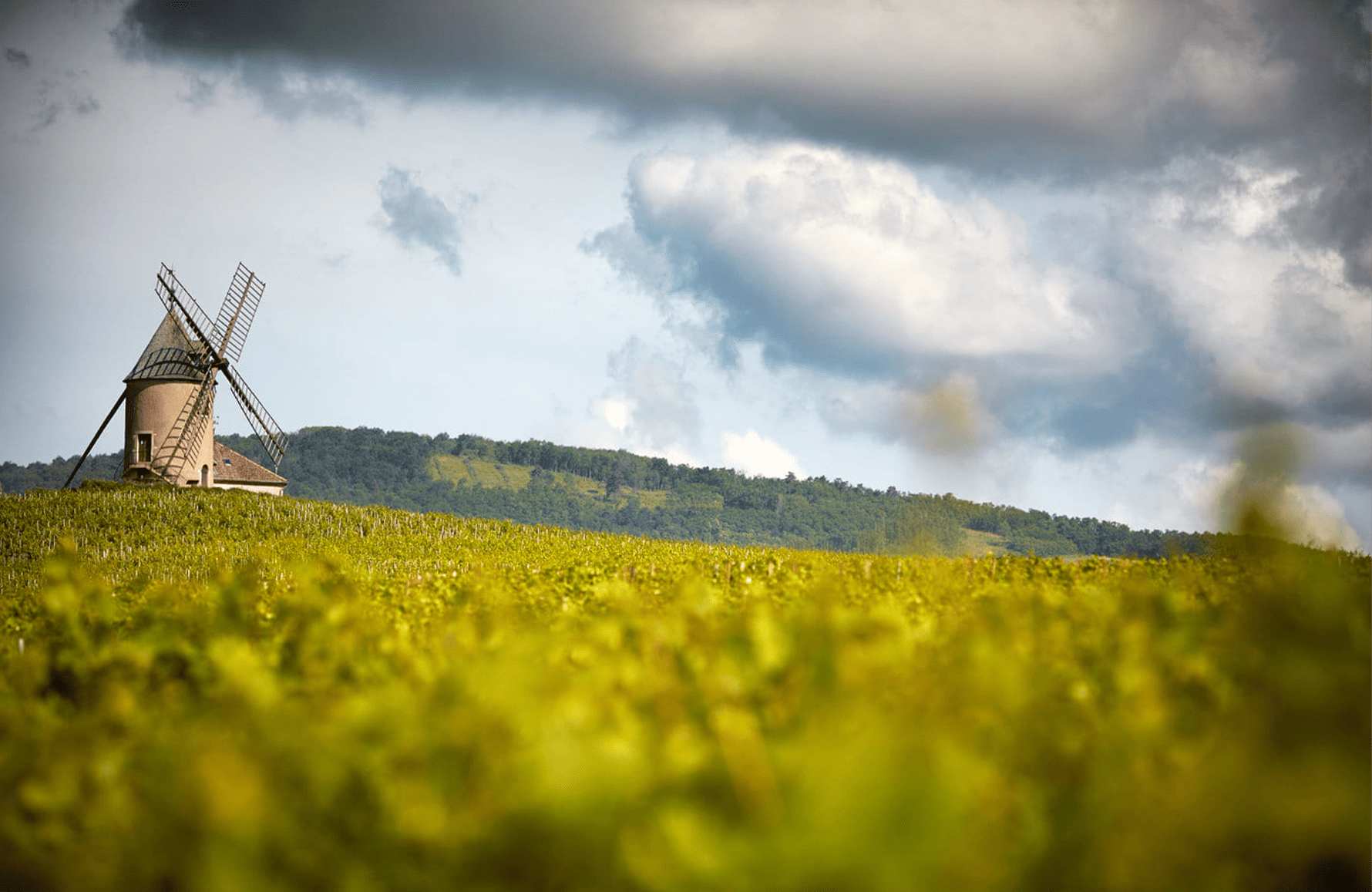
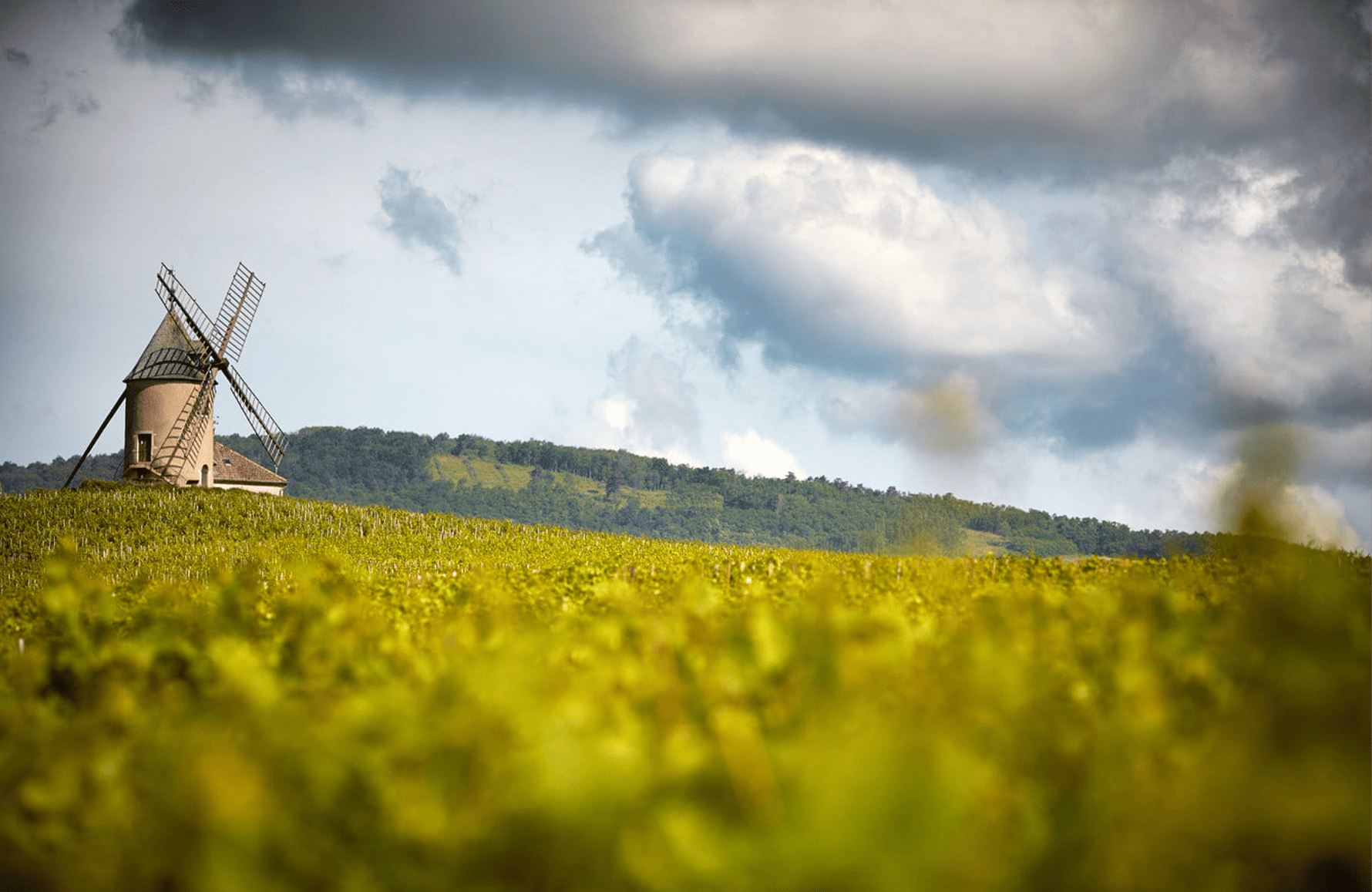
Labruyère Family
Domaine Labruyère, founded in 1850 in the heart of the hamlet of Les Thorins, is one of the oldest and most iconic estates in the Moulin-à-Vent appellation . Today, its 14 hectares include Le Clos du Moulin-à-Vent , the only monopole in the appellation. Led by Jean-Pierre Labruyère and his son Édouard, the estate has undergone a profound renewal, combining modernized facilities, meticulous vineyard management , and winemaking inspired by Burgundy . Guided by a reasoned approach that respects the terroir , the team, including Nadine Gublin and Michel Rovere, crafts deep, silky wines built for aging , revealing the full potential of Gamay on these exceptional terroirs. With cuvées such as Champ de Cour , Carquelin , and Le Clos , Domaine Labruyère is establishing itself as a rising star in Beaujolais.
-

92 JS Domaine Labruyère - Le Carquelin 2019 - Moulin-à-Vent
Beaujolais • Moulin-à-Vent • Red
定價 $1,721.00售價 $1,721.00 定價單價 $286.83 / unit -
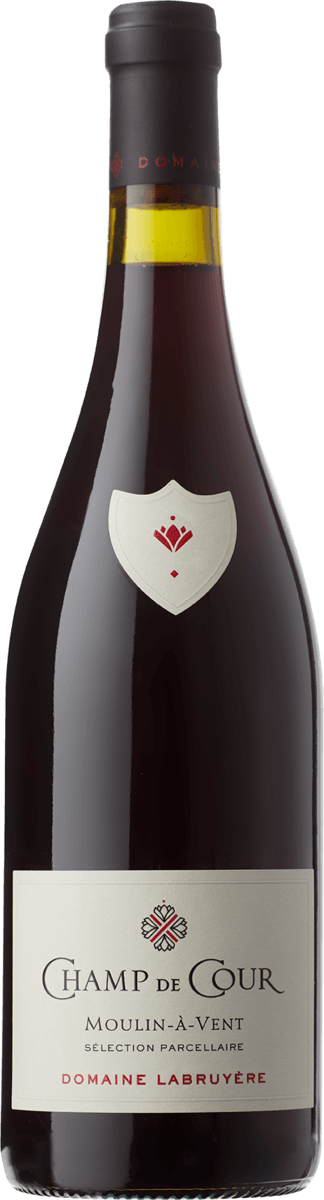
2 étoiles Hachette - The unbeatable 💪
Domaine Labruyère - Champ de Cour 2017 - Moulin-à-Vent
Beaujolais • Moulin-à-Vent • Red
定價 $232.00售價 $232.00 定價單價 $232.00 / unit -
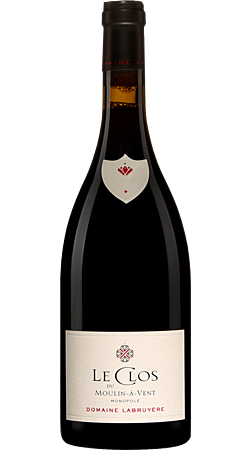
- The unbeatable 💪
Domaine Labruyère - Le Clos du Moulin-à-vent Monopole 2017 - Moulin-à-Vent
Beaujolais • Moulin-à-Vent • Red
定價 $445.00售價 $445.00 定價單價 $445.00 / unit -
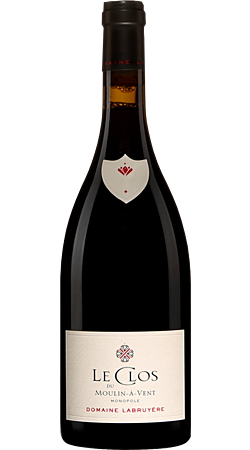
92 JS Domaine Labruyère - Le Clos du Moulin-à-Vent Monopole 2019 - Moulin-à-Vent
Beaujolais • Moulin-à-Vent • Red
定價 $2,055.00售價 $2,055.00 定價單價 $342.50 / unit$0.00 -
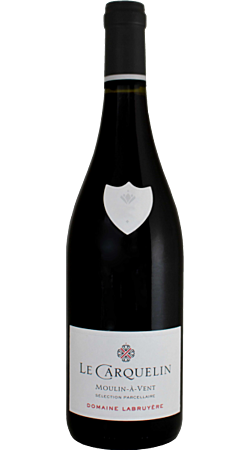
Domaine Labruyère - Le Carquelin 2018 - Moulin-à-Vent
Beaujolais • Moulin-à-Vent • Rouge
定價 $1,388.00售價 $1,388.00 定價單價 $231.33 / unit

History of the Estate Labruyère Family