
-
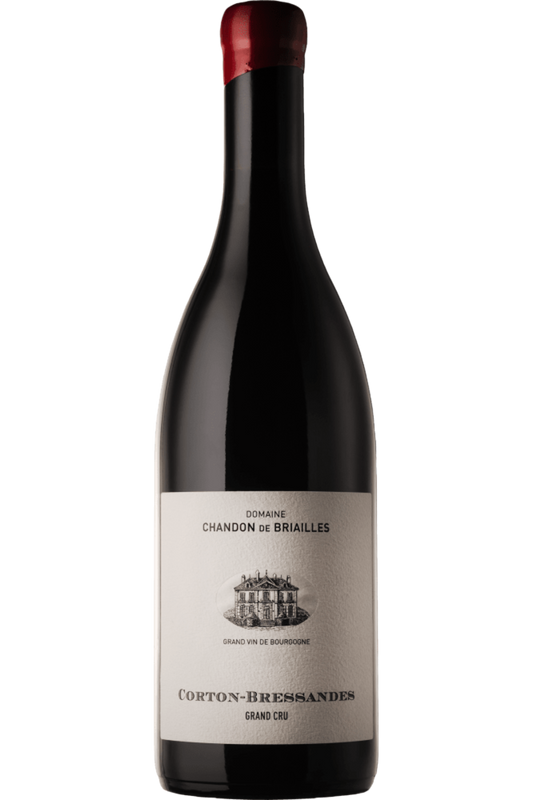
Domaine Chandon de Briailles - Corton Grand Cru Les Bressandes 2018
Bourgogne • Corton Grand Cru • Grand Cru • Red
定價 $13,324.00售價 $13,324.00 定價單價 $2,220.66 / unit -

Domaine Chandon de Briailles - Les Maréchaudes 2021 - Corton Grand Cru
Bourgogne • Corton Grand Cru • Red
定價 $12,214.00售價 $12,214.00 定價單價 $2,035.66 / unit -

Domaine Chandon de Briailles - Les Maréchaudes 2018 - Corton Grand Cru
Bourgogne • Corton Grand Cru • Red
定價 $11,104.00售價 $11,104.00 定價單價 $1,850.66 / unit -

Domaine Chandon de Briailles - Pernand-Vergelesses 1er Cru Ile des Vergelesses 2021
Bourgogne • Pernand-Vergelesses • 1er Cru • Red
定價 $9,660.00售價 $9,660.00 定價單價 $805.00 / unit -
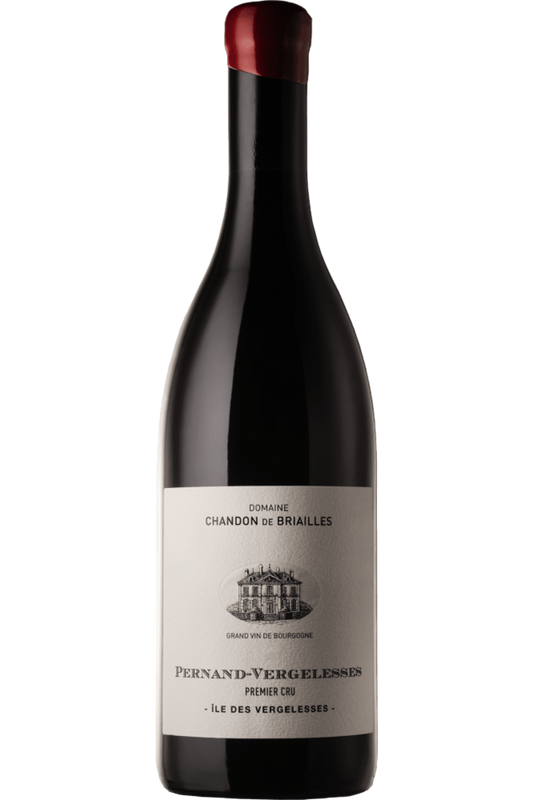
Domaine Chandon de Briailles - Pernand-Vergelesses 1er Cru Ile des Vergelesses 2018
Bourgogne • Pernand-Vergelesses • 1er Cru • Red
定價 $7,884.00售價 $7,884.00 定價單價 $657.00 / unit -
Domaine Chandon de Briailles - Savigny-lès-Beaune 1er Cru Les Lavières 2021
Bourgogne • Savigny-lès-Beaune • 1er Cru • Red
定價 $7,884.00售價 $7,884.00 定價單價 $657.00 / unit -

Domaine Chandon de Briailles - Savigny-les-Beaune Aux Fournaux 2021
Bourgogne • Savigny-lès-Beaune • Red
定價 $3,165.00售價 $3,165.00 定價單價 $527.50 / unit$0.00 -

Domaine Chandon de Briailles - Pernand-Vergelesses 1er Cru Les Vergelesses 2018
Bourgogne • Pernand-Vergelesses • Red
定價 $2,998.00售價 $2,998.00 定價單價 $499.66 / unit$0.00 -

92-94 WA Domaine Chandon de Briailles - Pernand-Vergelesses 1er Cru Ile des Vergelesses 2022
Bourgogne • Pernand-Vergelesses • 1er Cru • Red
定價 $3,609.00售價 $3,609.00 定價單價 $1,203.00 / unit -
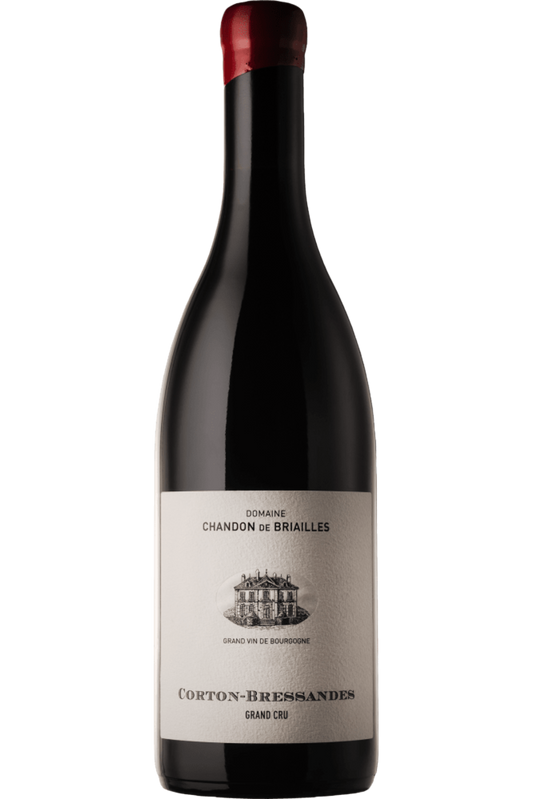
92-94 WA Domaine Chandon de Briailles - Corton Grand Cru Les Bressandes 2022
Bourgogne • Corton Grand Cru • Grand Cru • Red
定價 $3,008.00售價 $3,008.00 定價單價 $3,008.00 / unit -
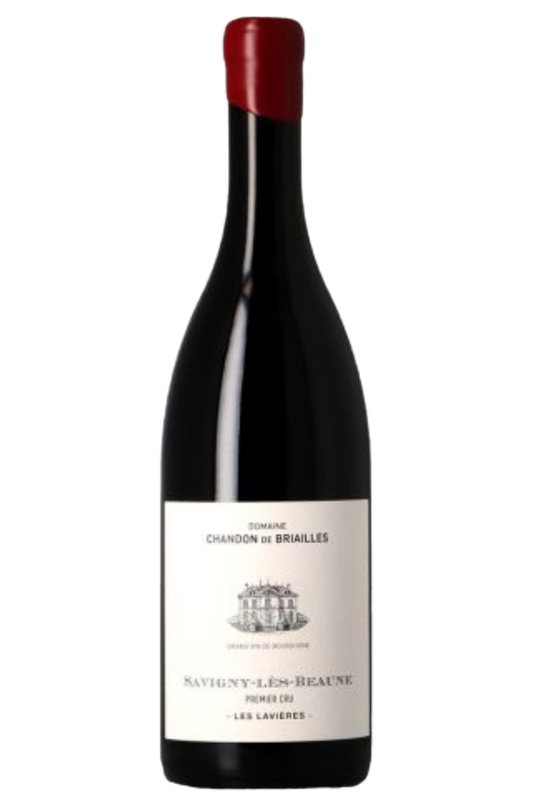
90-92 WA Domaine Chandon de Briailles - Savigny-lès-Beaune 1er Cru Les Lavières 2022
Bourgogne • Savigny-lès-Beaune • 1er Cru • Red
定價 $2,776.00售價 $2,776.00 定價單價 $925.33 / unit -

Domaine Chandon de Briailles - Pernand-Vergelesses 1er Cru Ile des Vergelesses 2020
Bourgogne • Pernand-Vergelesses • 1er Cru • Red
定價 $5,996.00售價 $5,996.00 定價單價 $499.66 / unit


A Philosophy: Purity through Biodynamics
Since 2005, the domaine is conducted in agriculture biodynamic (certified by Demeter and Biodyvin). Under the guidance of Claude and François de Nicolay, the vine is treated as a living organism.
-
Soil Preparation: Horses are frequently used to prevent soil compaction, thereby promoting microbial life.
-
The "Low Intervention" Approach: In the cellar, the use of sulfur is minimal and the use of new barrels is very limited (often less than 10%). The aim is to allow the terroir to express itself without "masking" it with oak.
A Heritage of Exceptional Terroirs
THE domaine extends over approximately 14 hectares and focuses on three emblematic municipalities:
-
Savigny-lès-Beaune: The heart of domaine, with climates like At the Stoves Or Lavières.
-
Pernand-Vergelesses: In particular, the famous Premier Cru Vergelesses Island, flagship of domaine, which produces wines of rare verticality and finesse.
-
Corton: THE domaine owns plots of land in the legendary Grands Crus vineyards: Corton-Bressandes, Corton-Chaumesand the extremely rare Corton white.
The Style of the Wines: Elegance and Infusion
If you're looking for extracted and oaky Burgundy wines, you won't find them here. The Chandon de Briailles style is defined by:
-
The Whole Harvest: A significant proportion of whole bunches are often retained during vinification, which brings freshness, floral notes and a very fine tannic structure.
-
Verticality: The whites are taut, crystalline and saline. The reds are ethereal, "infused" rather than extracted, with great aging potential.
THE domaine It is housed in a magnificent 18th-century residence. The cool, deep cellars allow for slow aging that respects the natural rhythm of the wine, far removed from industrial haste.